Alexandra Grant. Word. Image. Space.
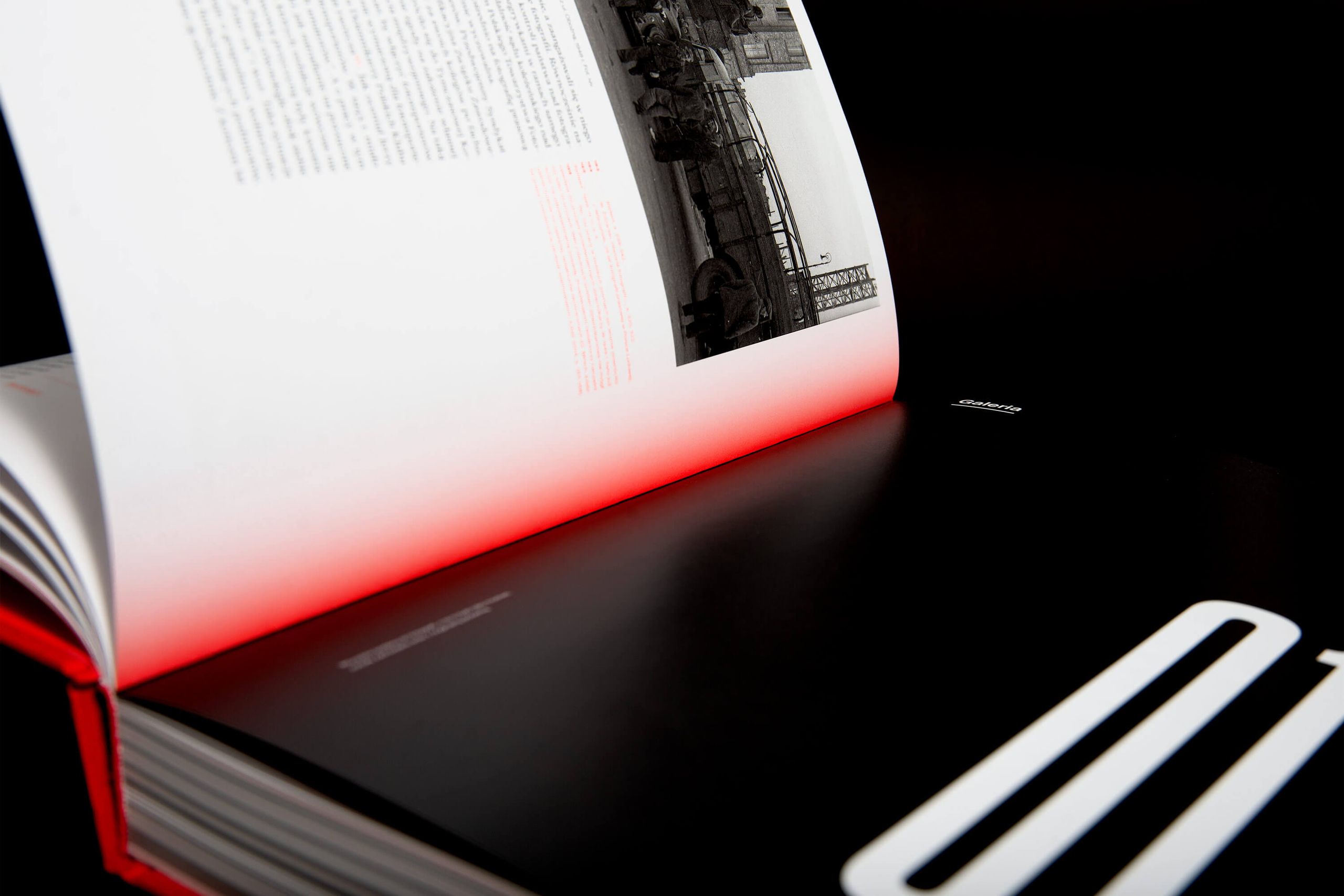
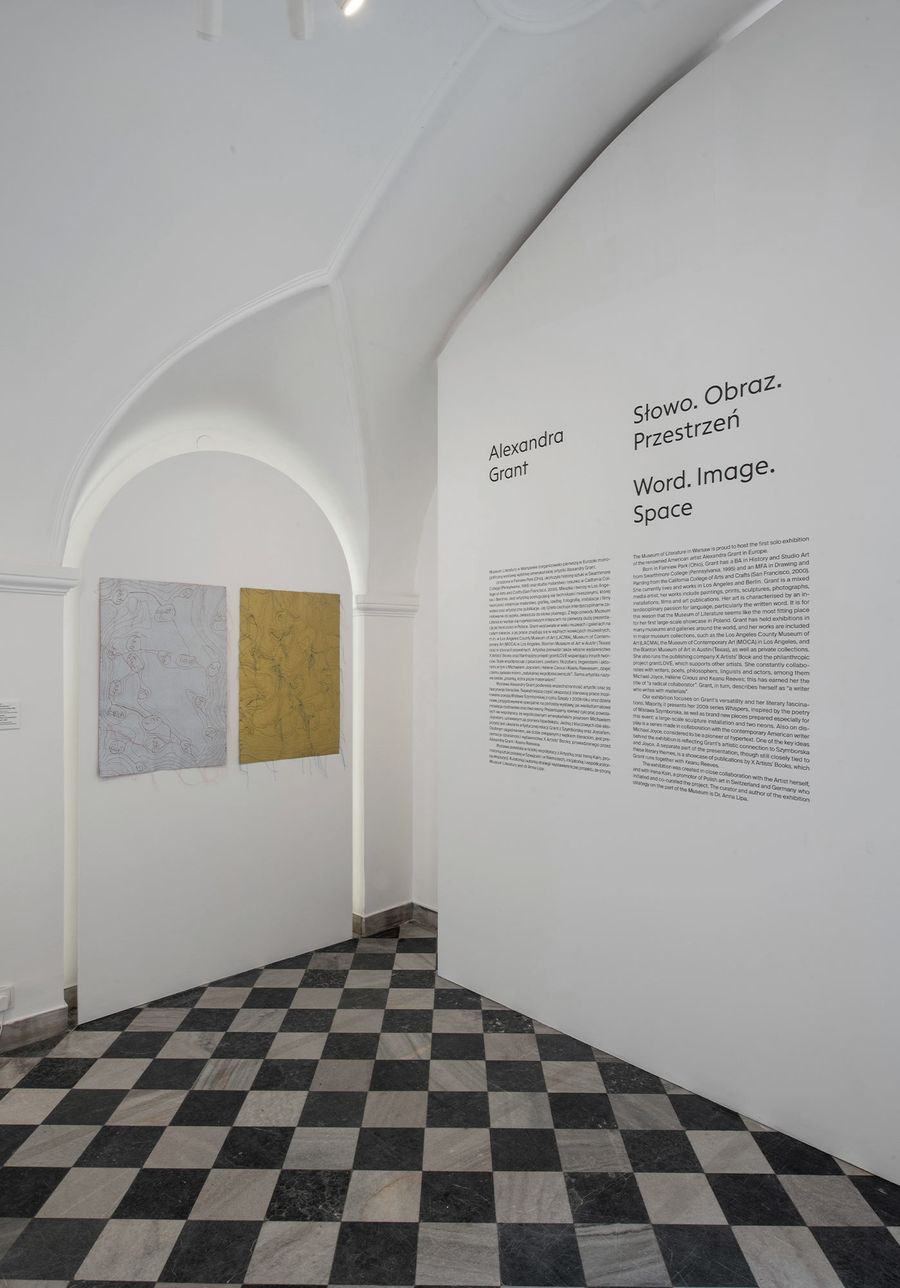
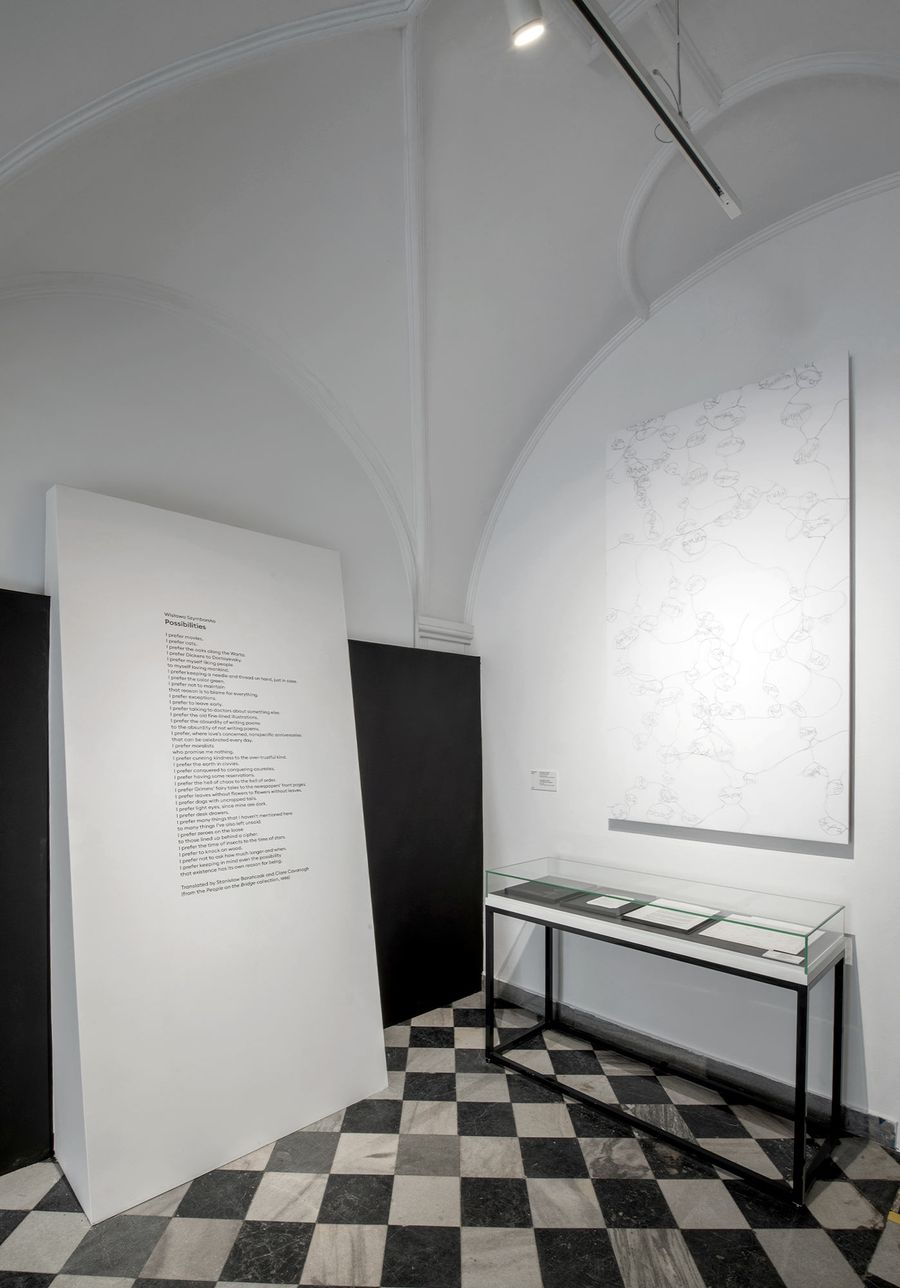
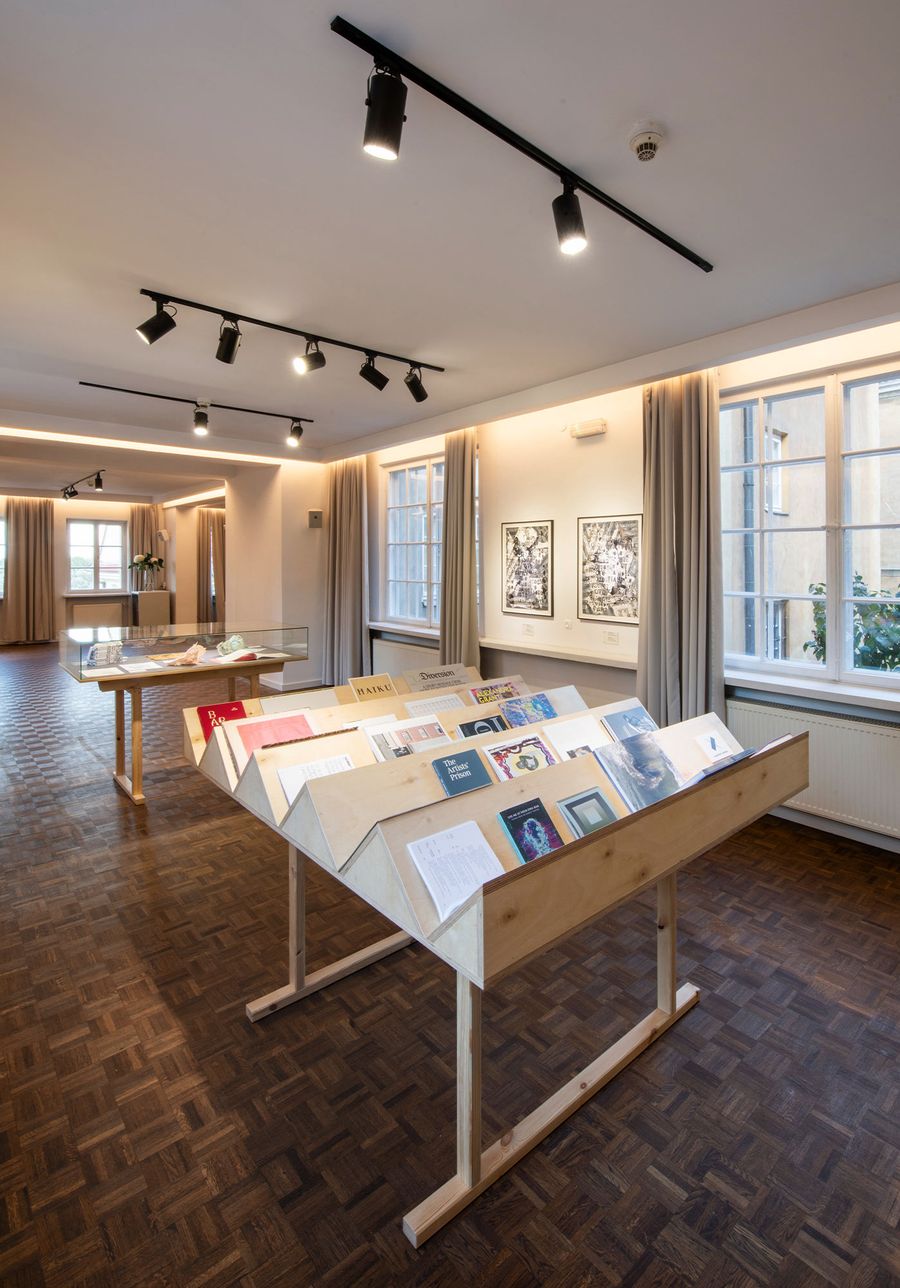
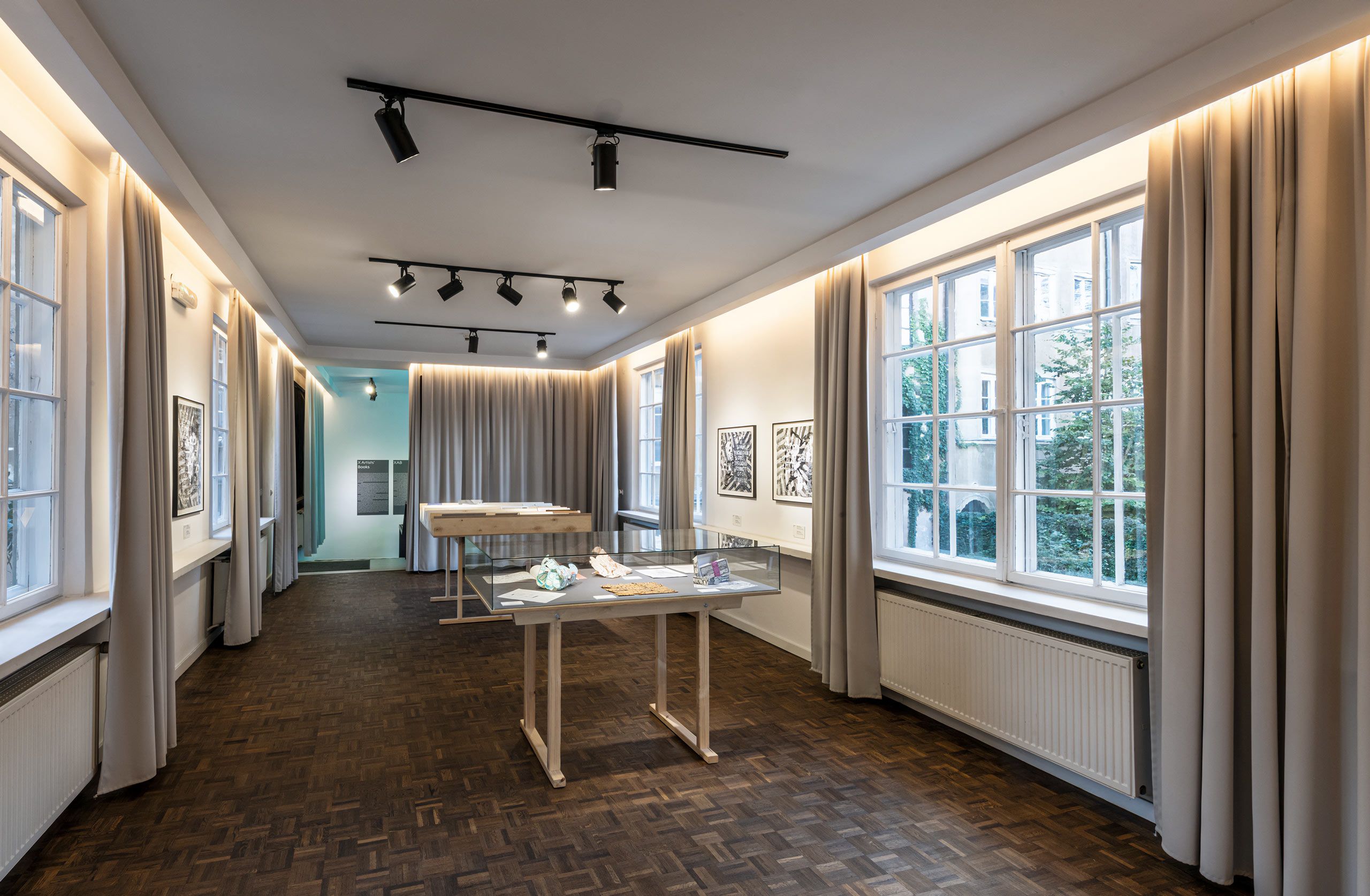
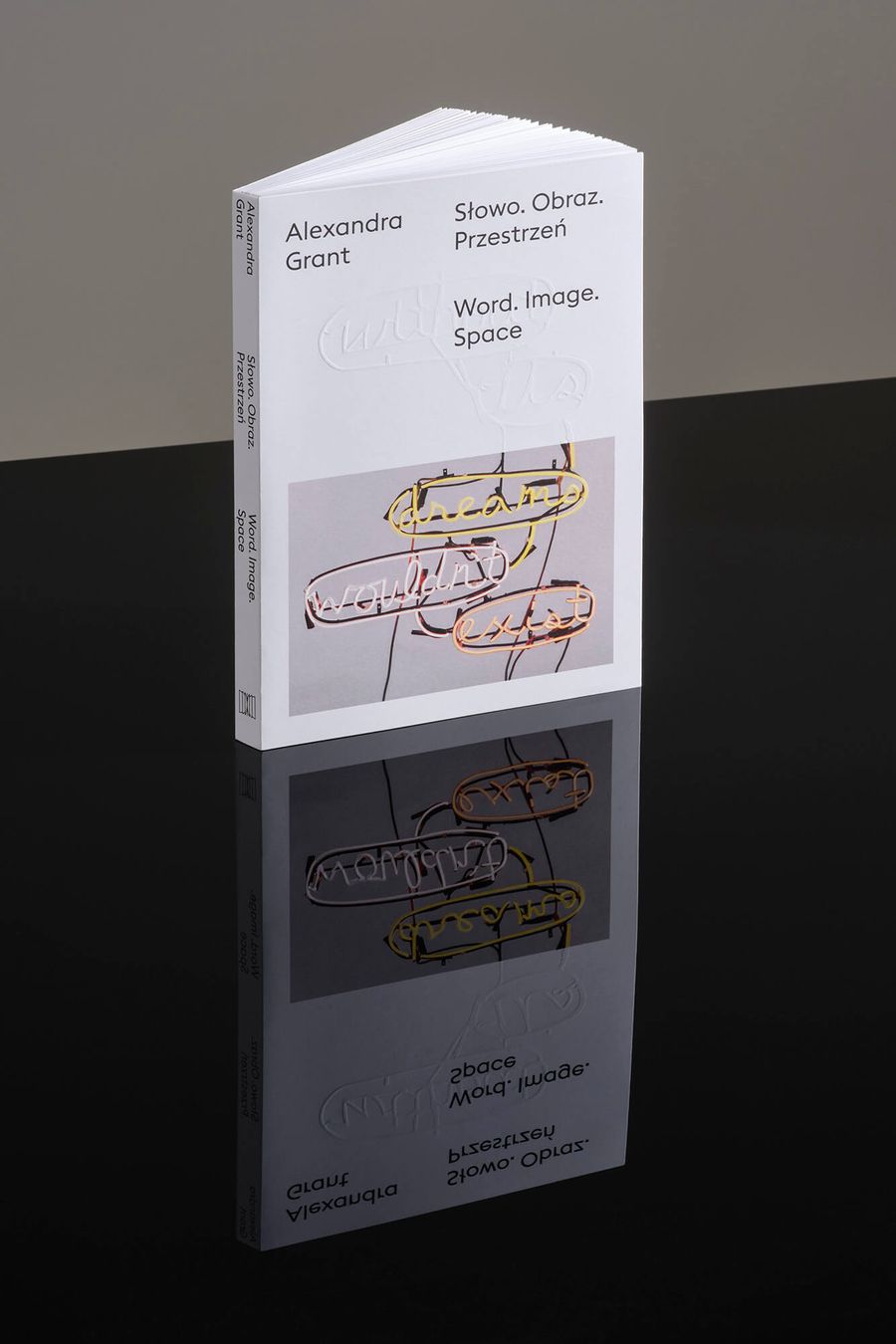
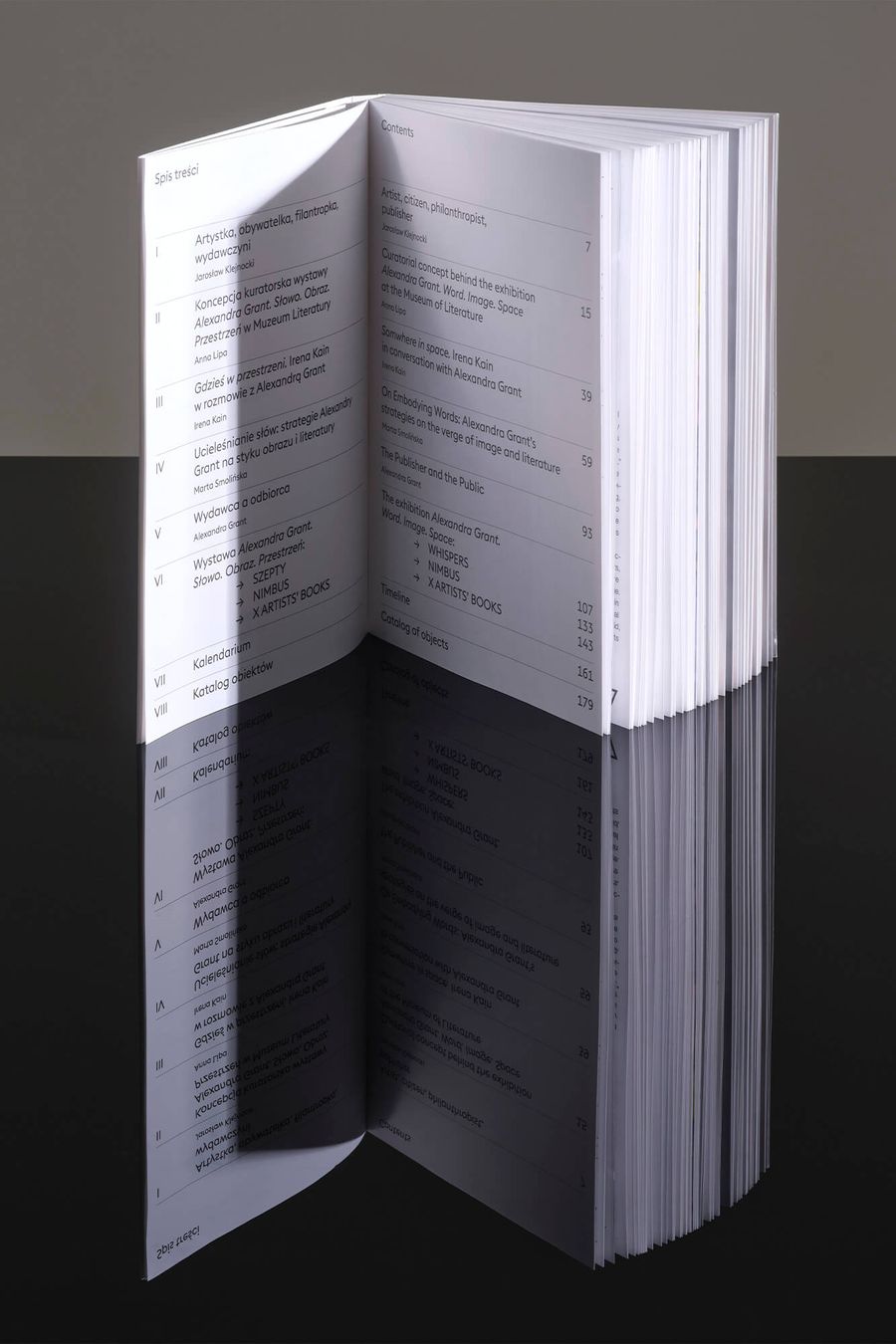
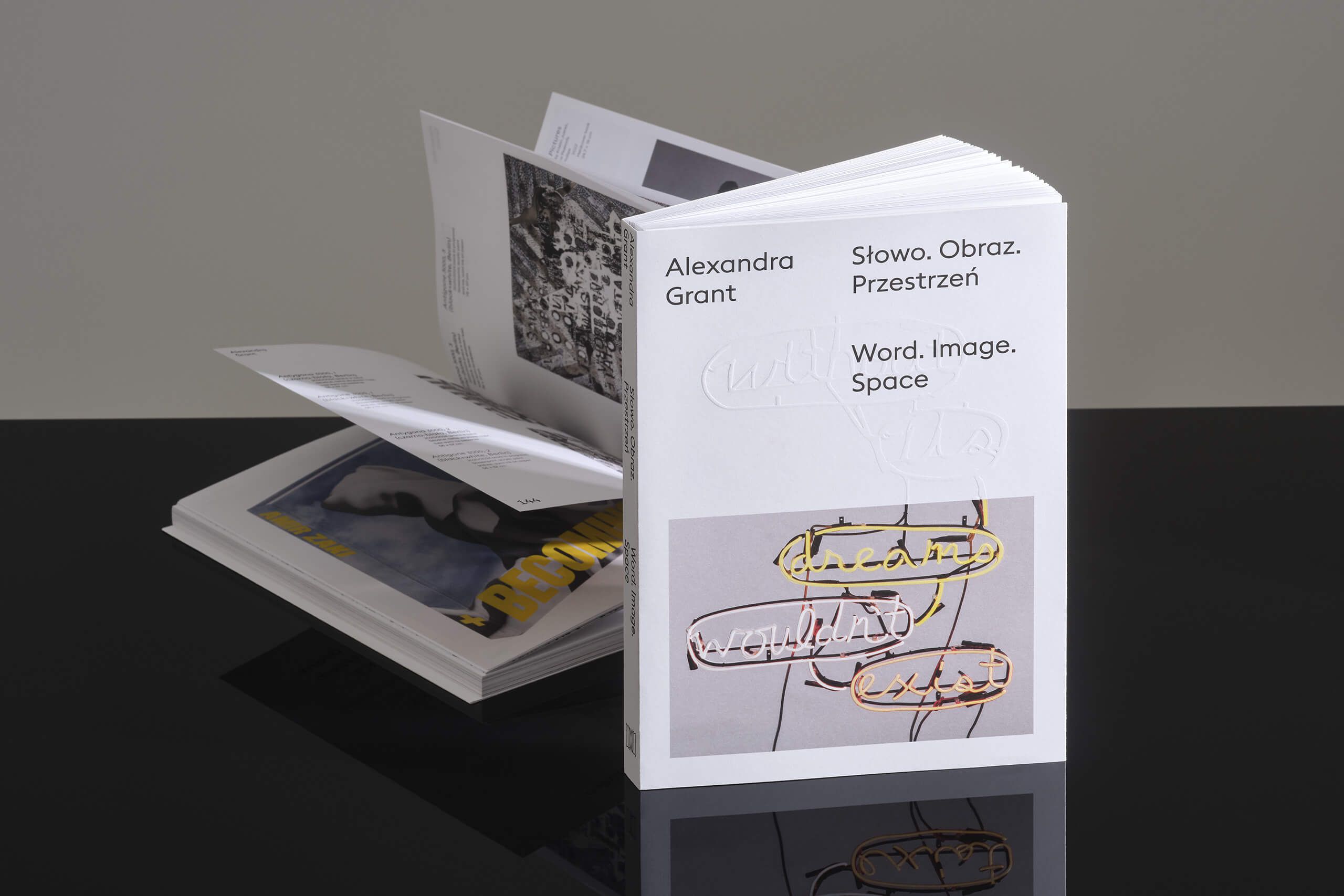
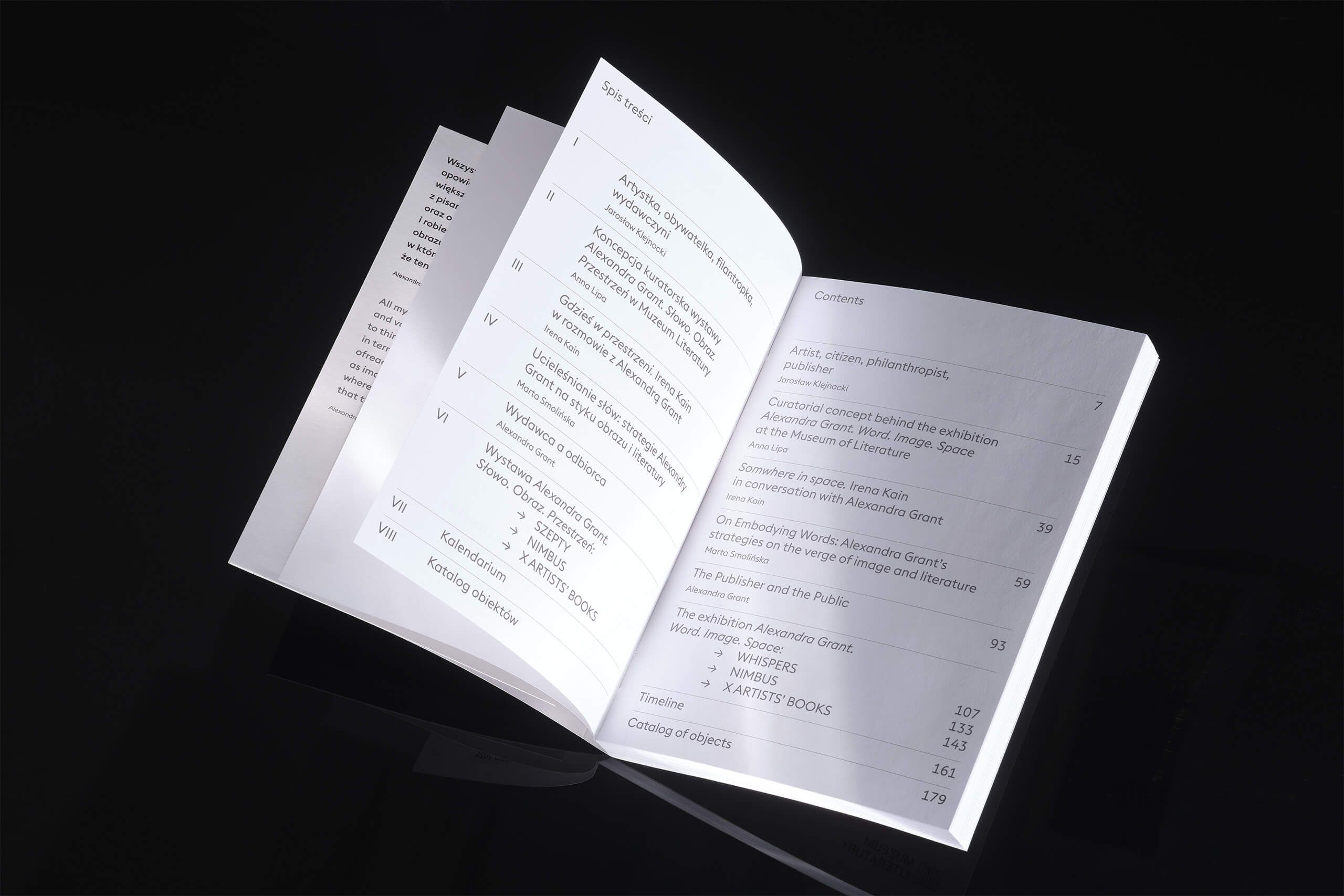
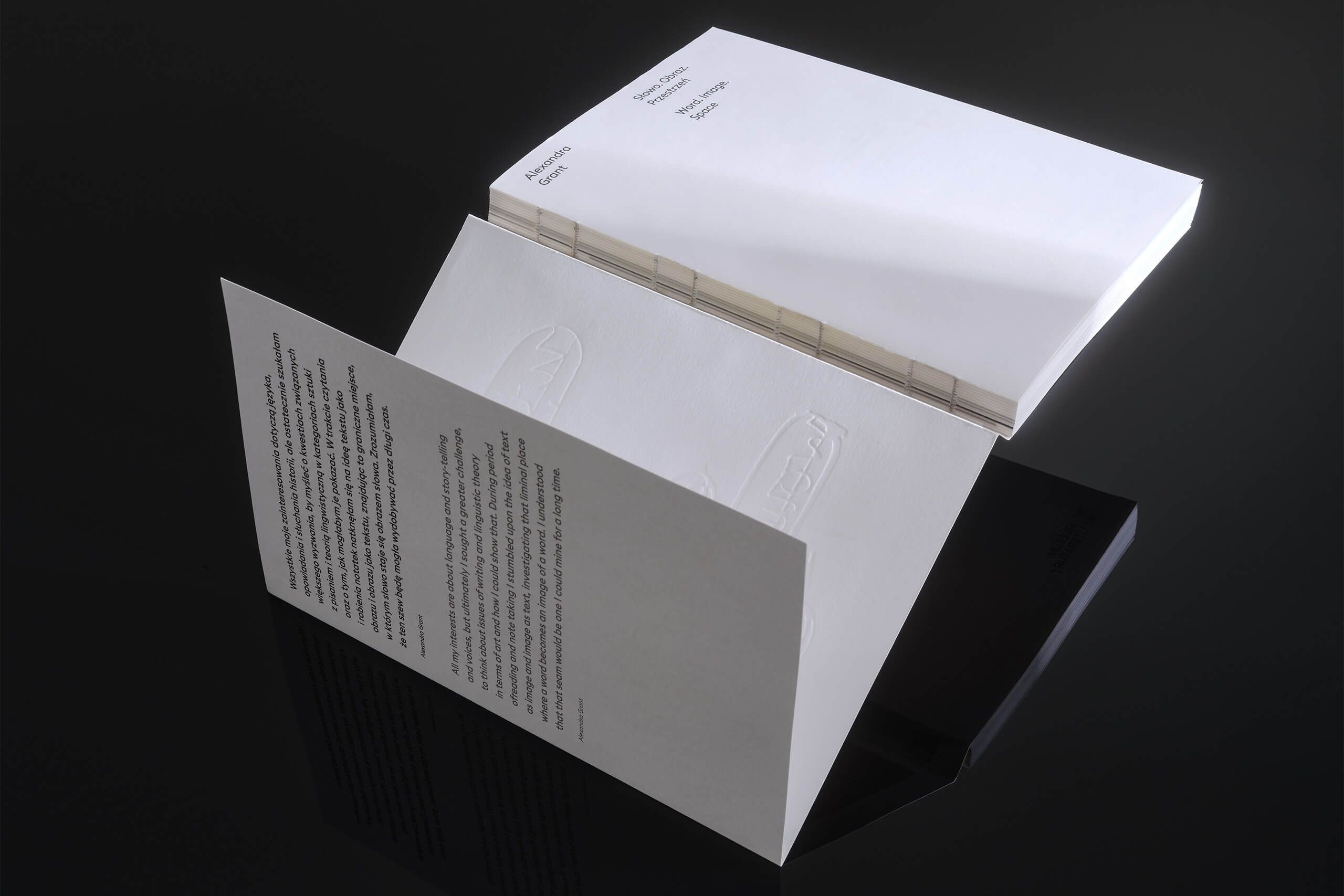
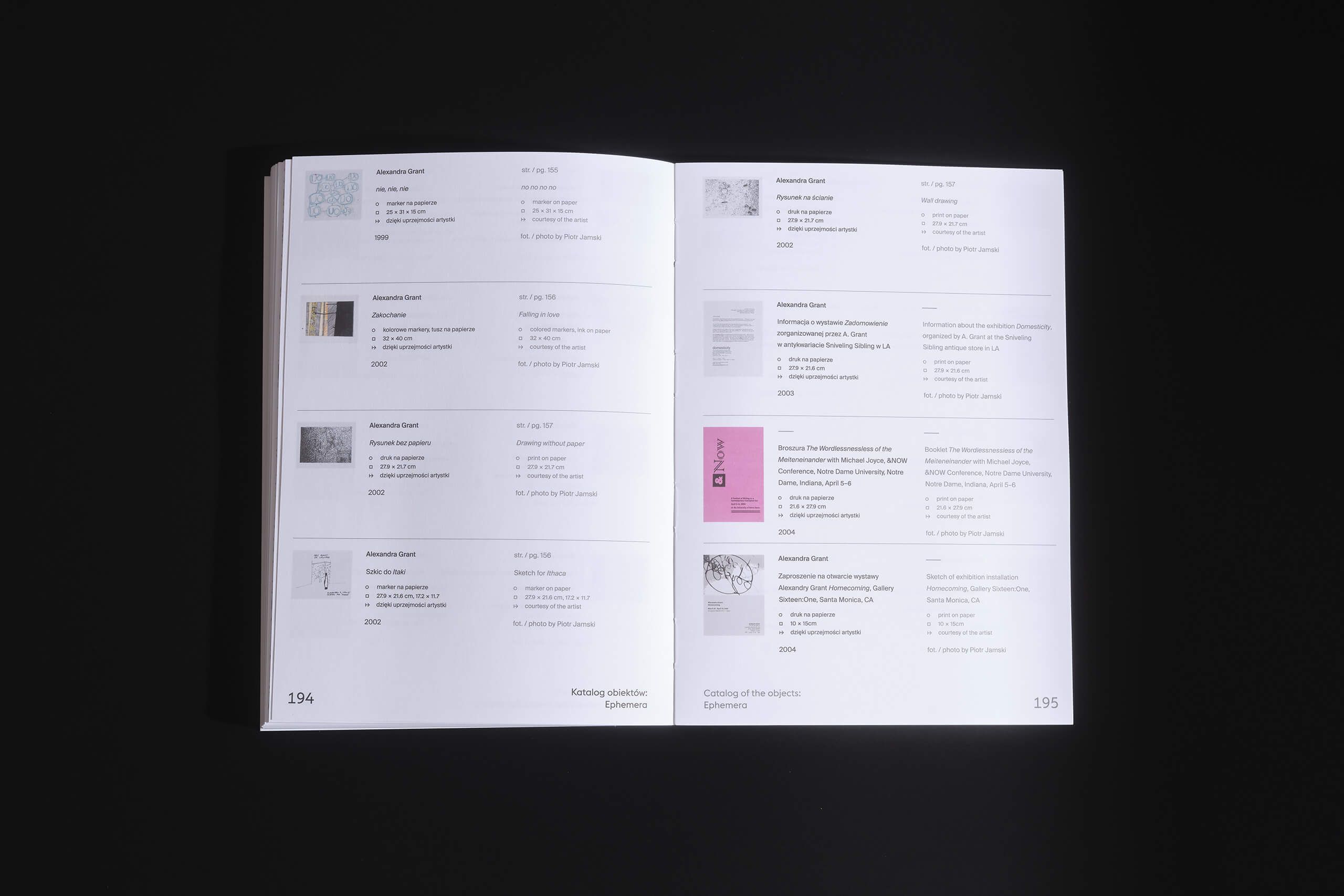
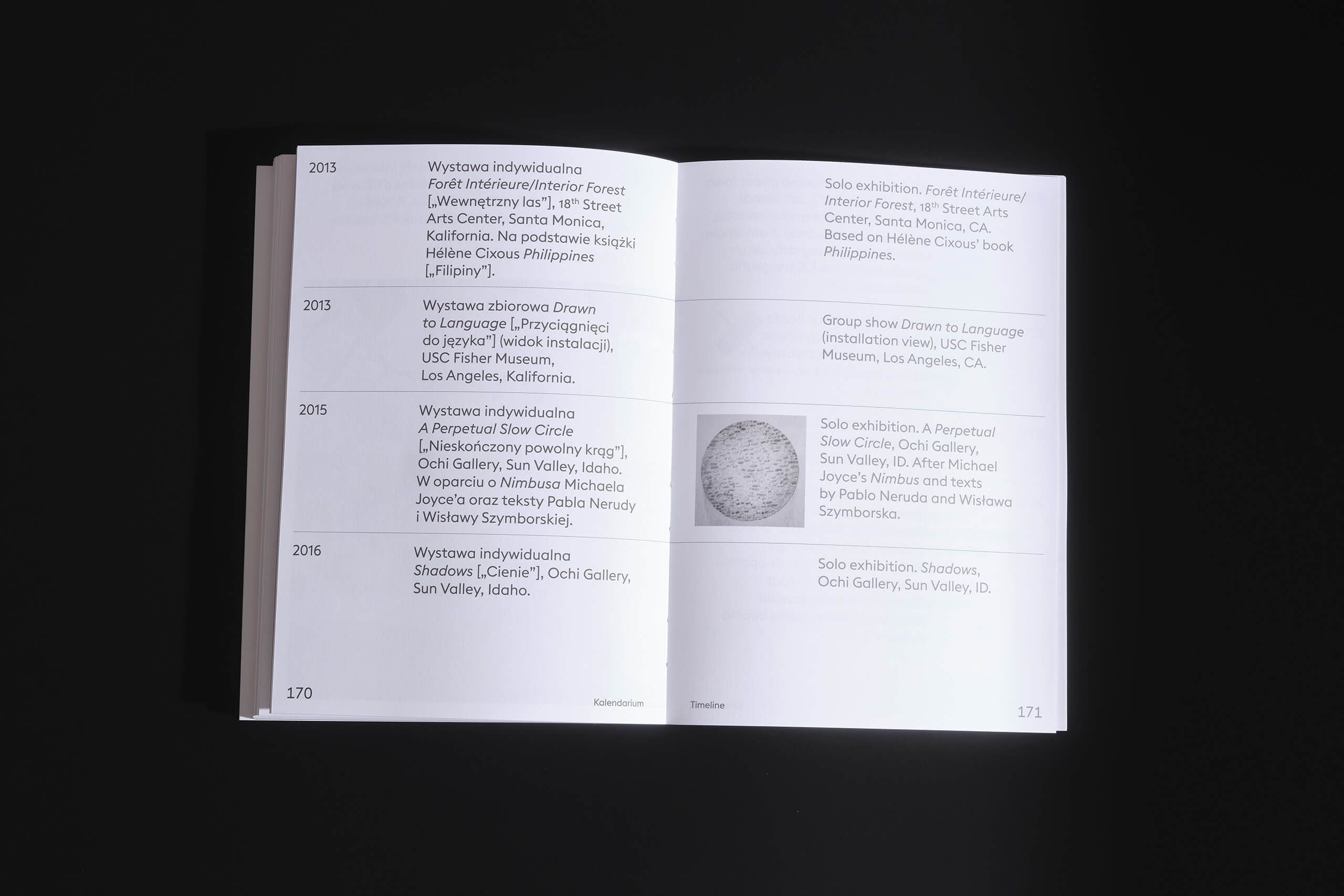
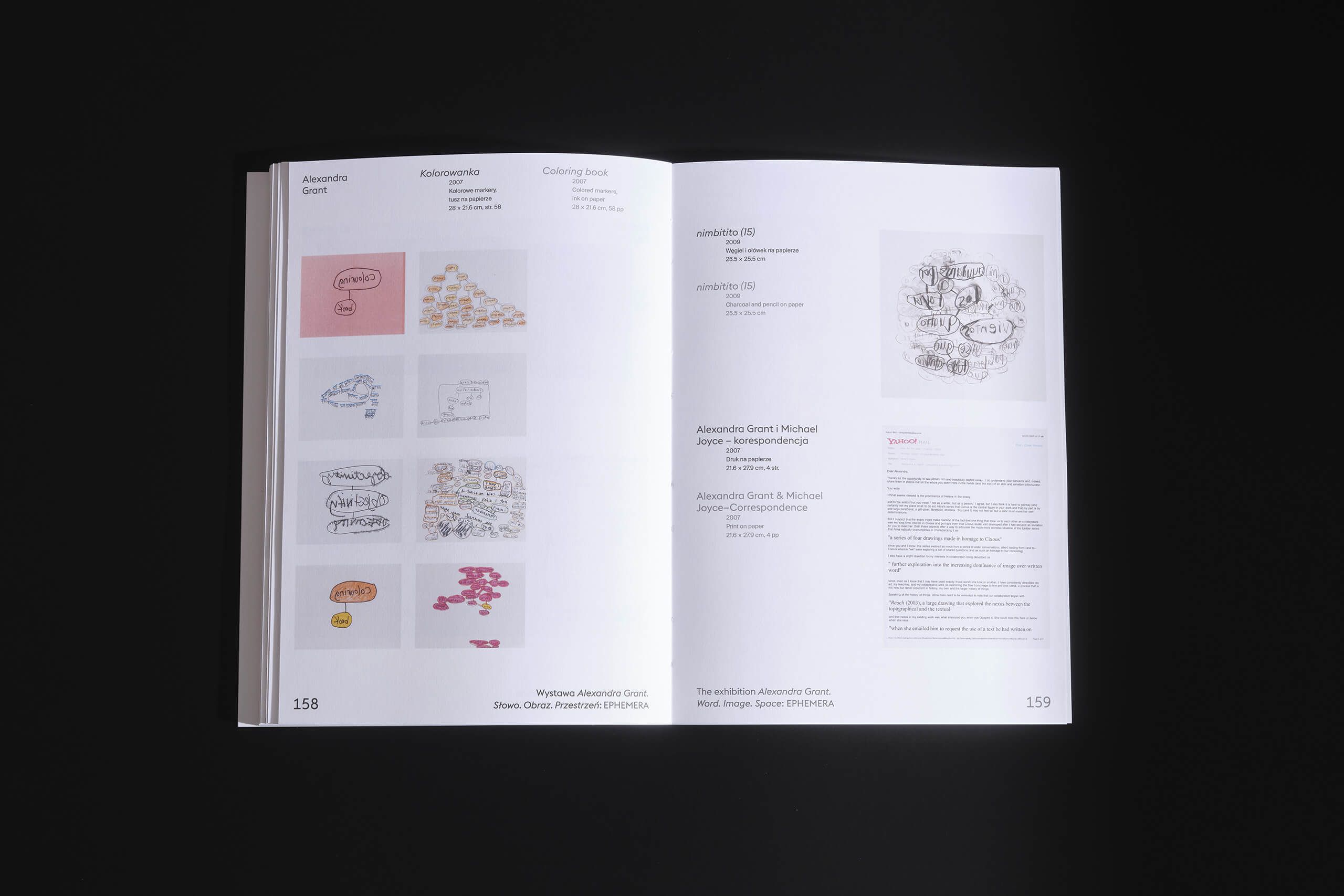
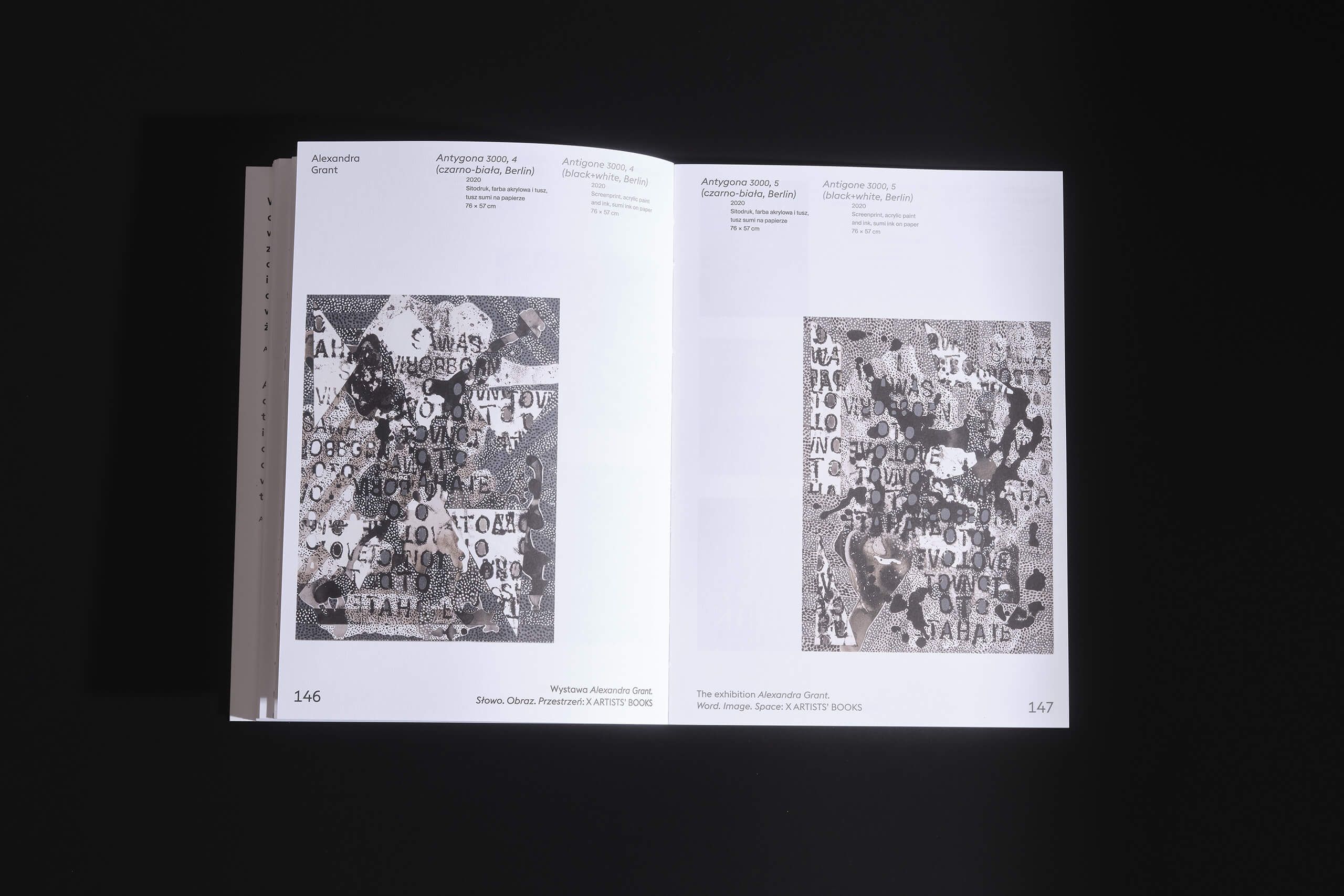
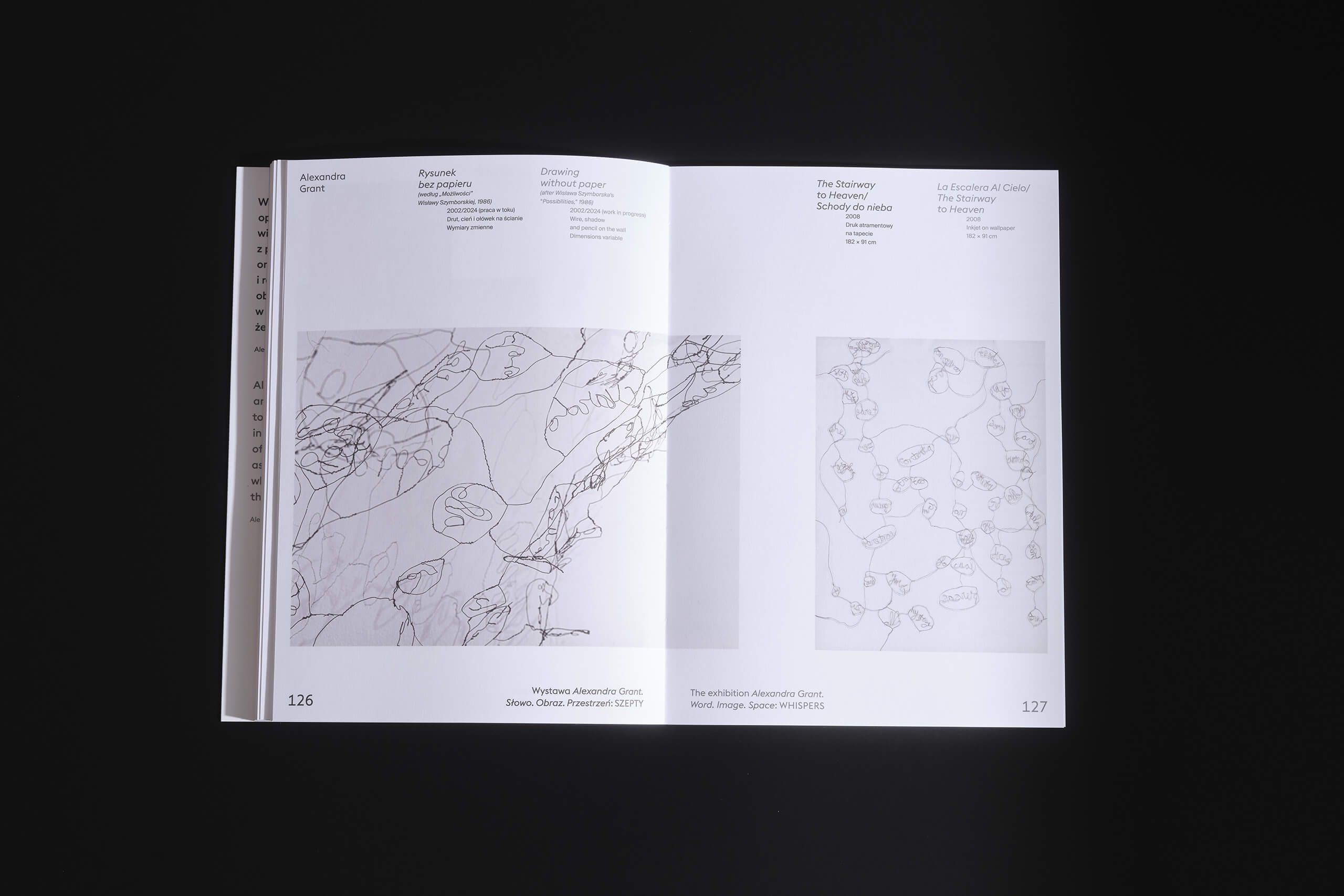
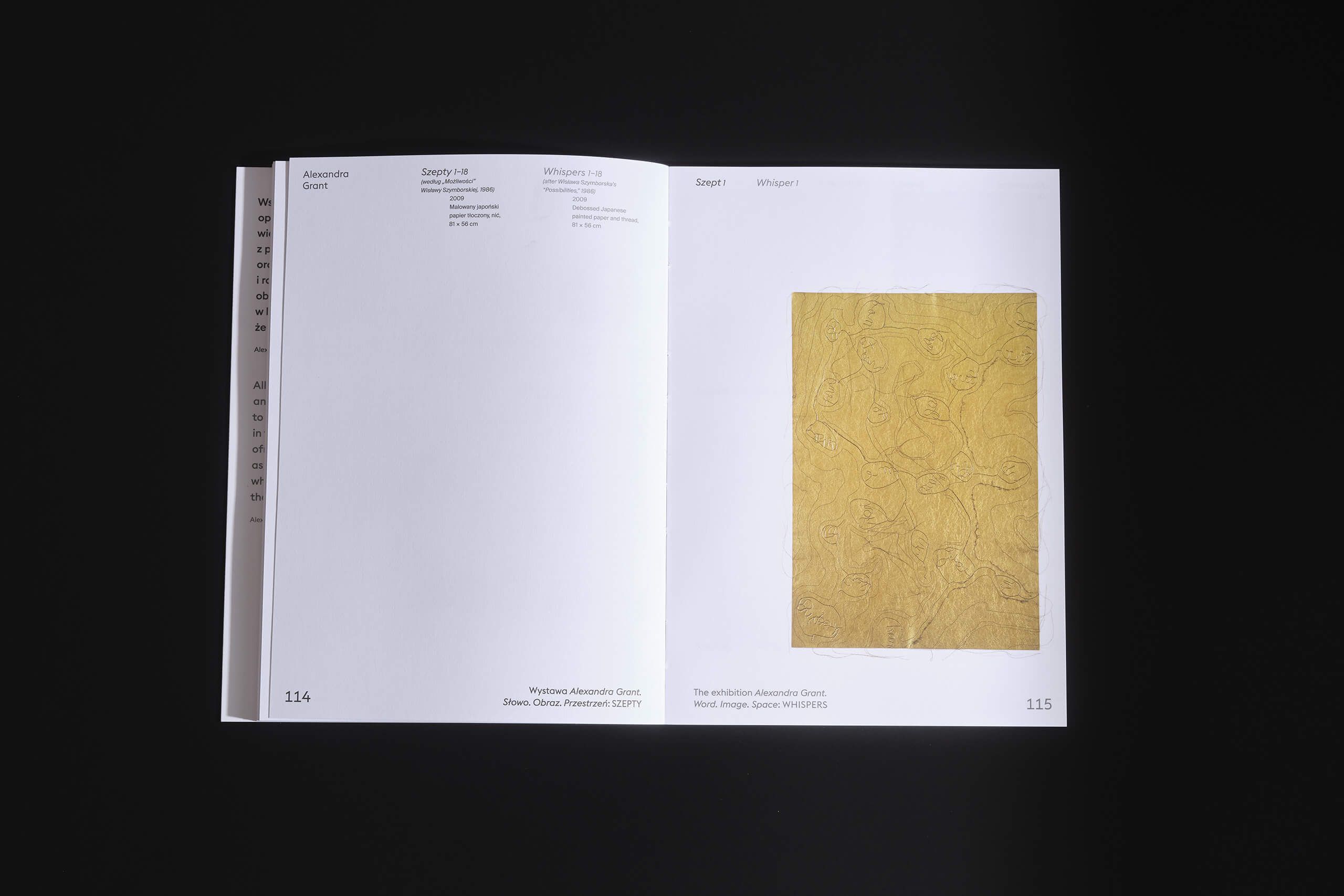
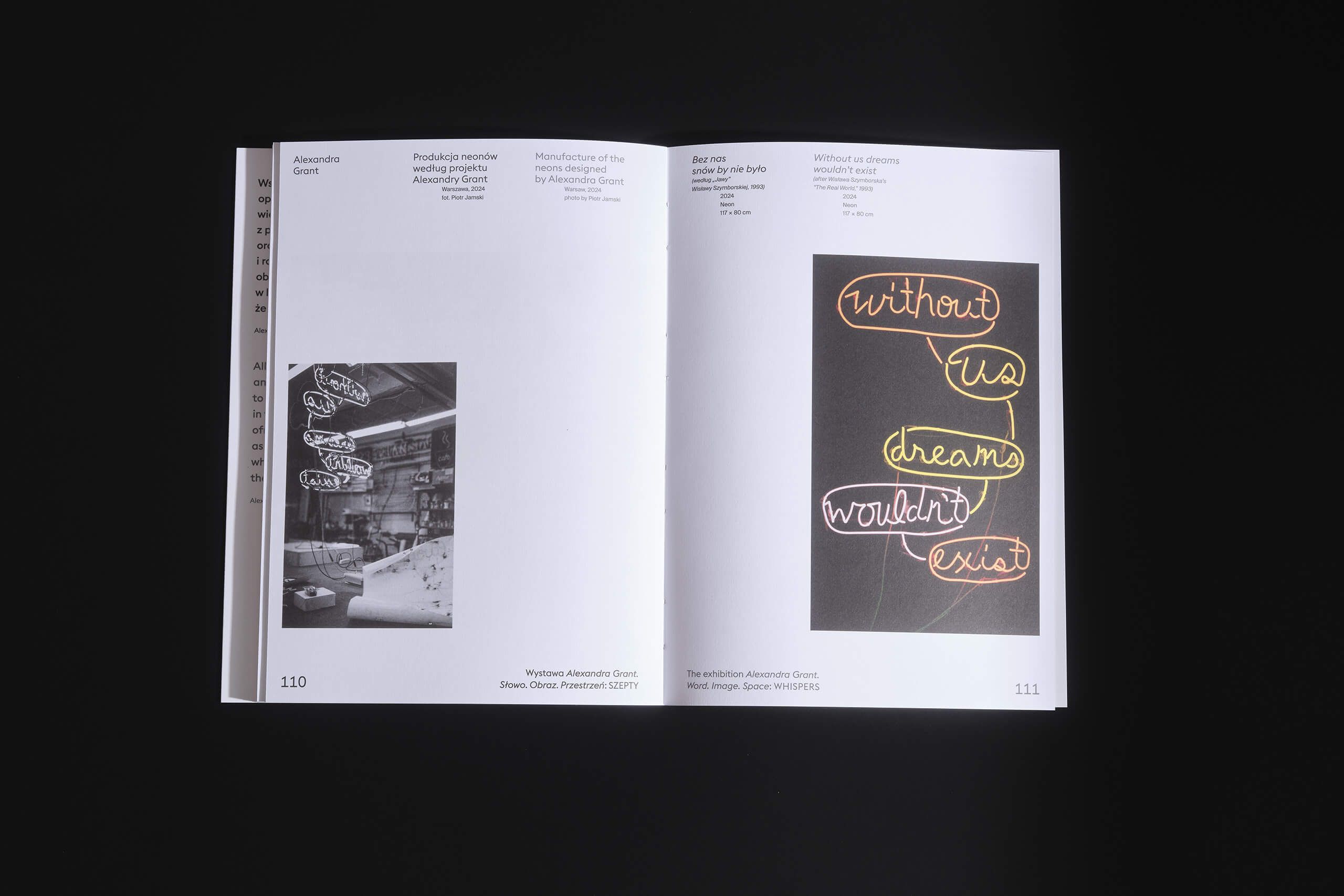
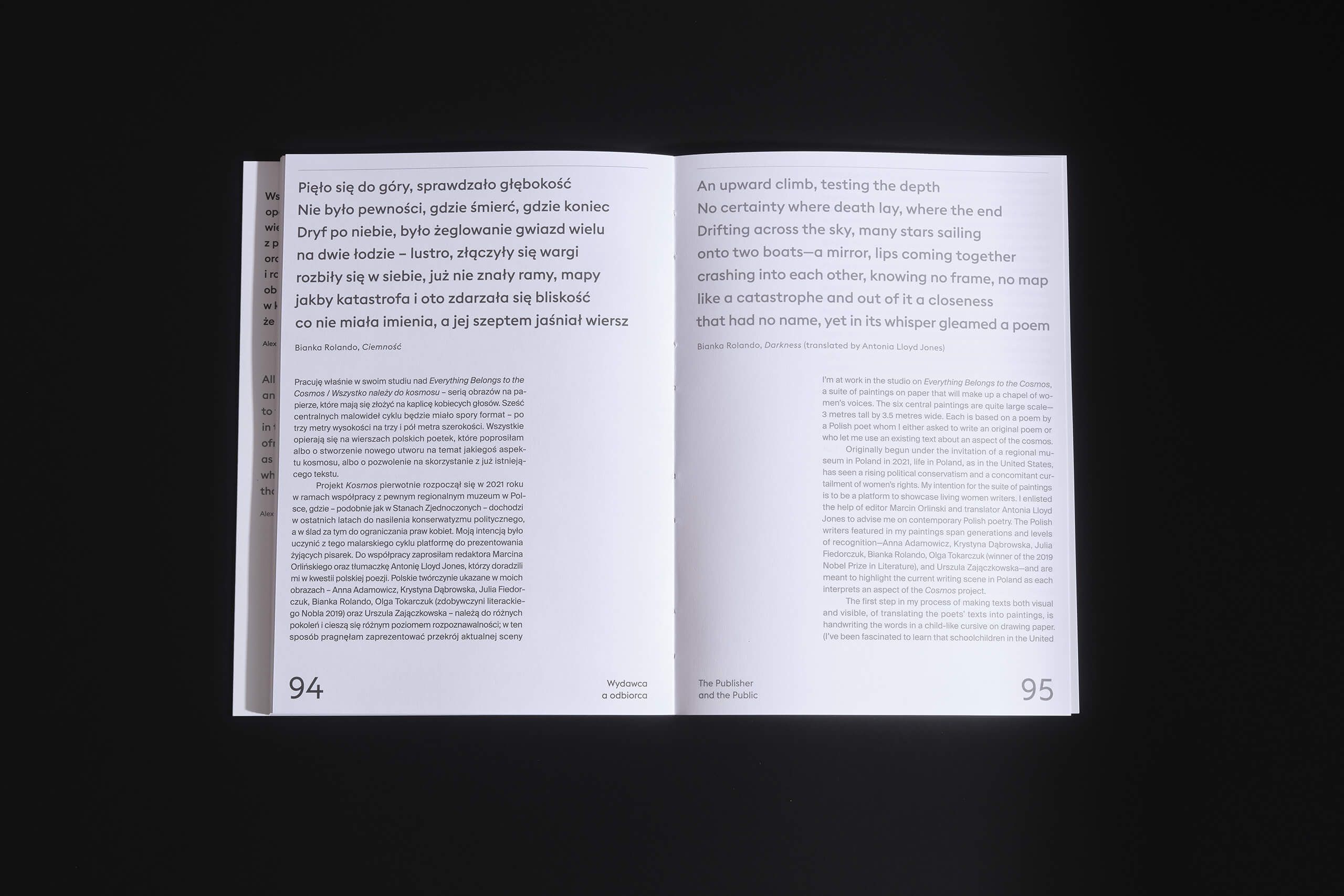
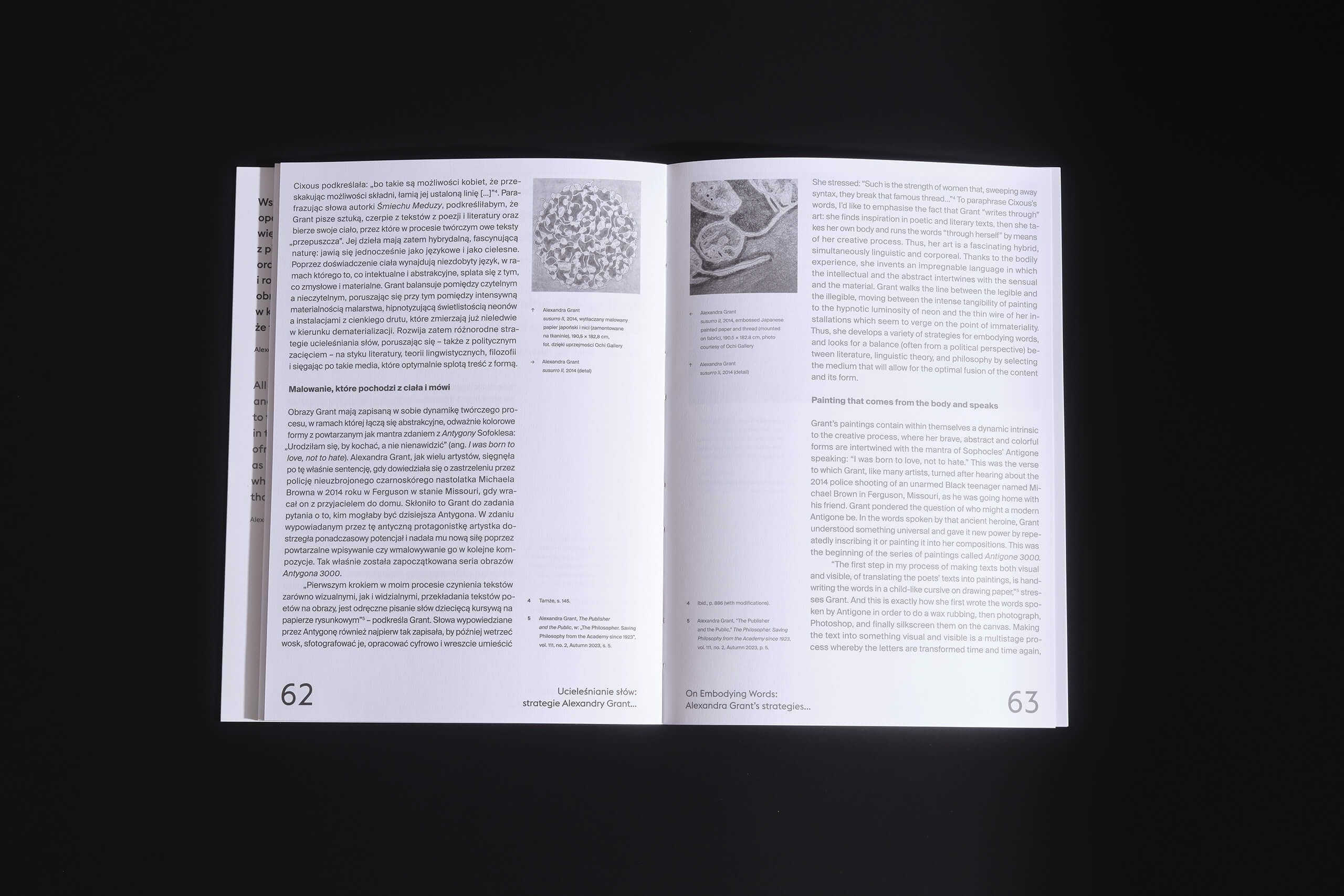
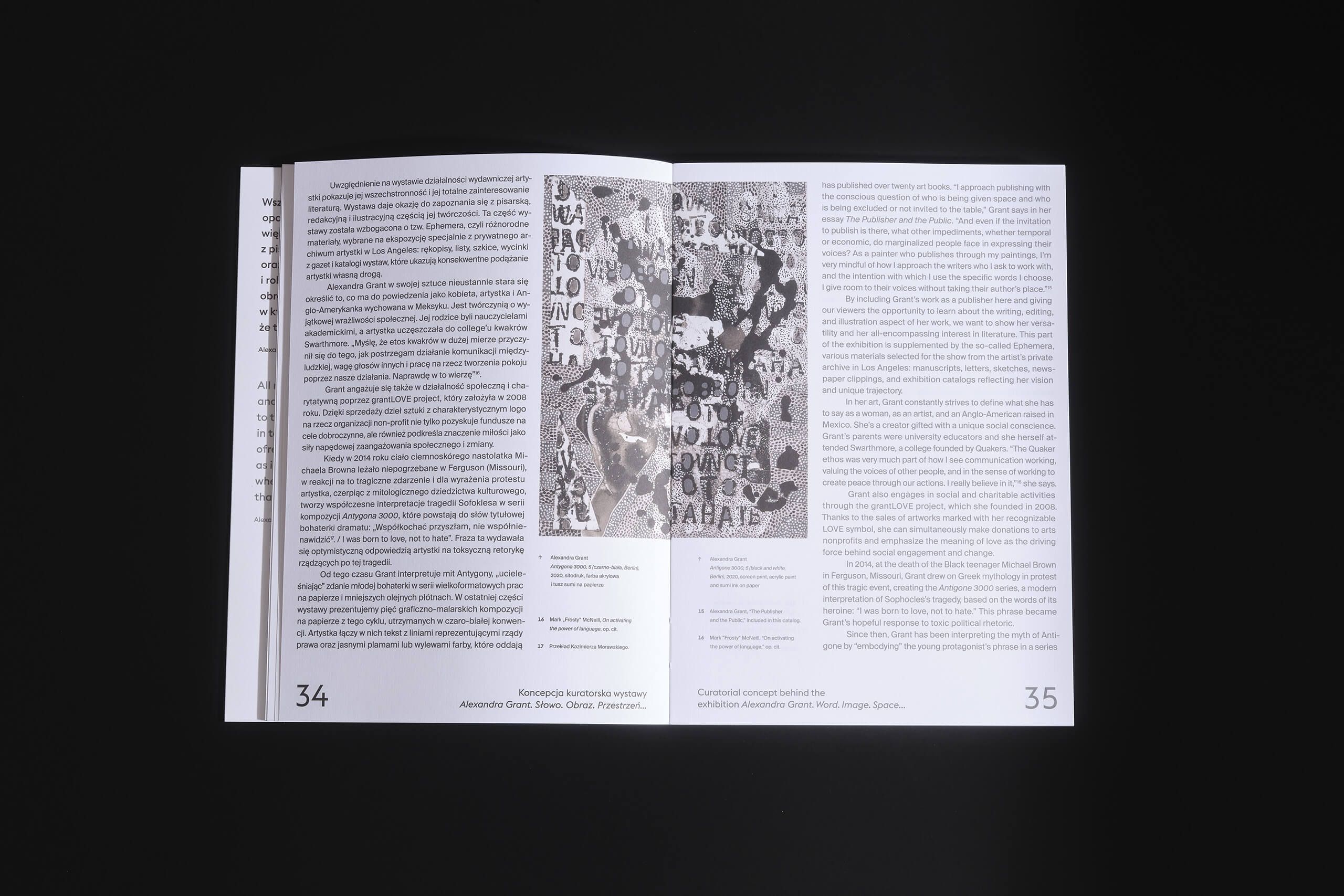
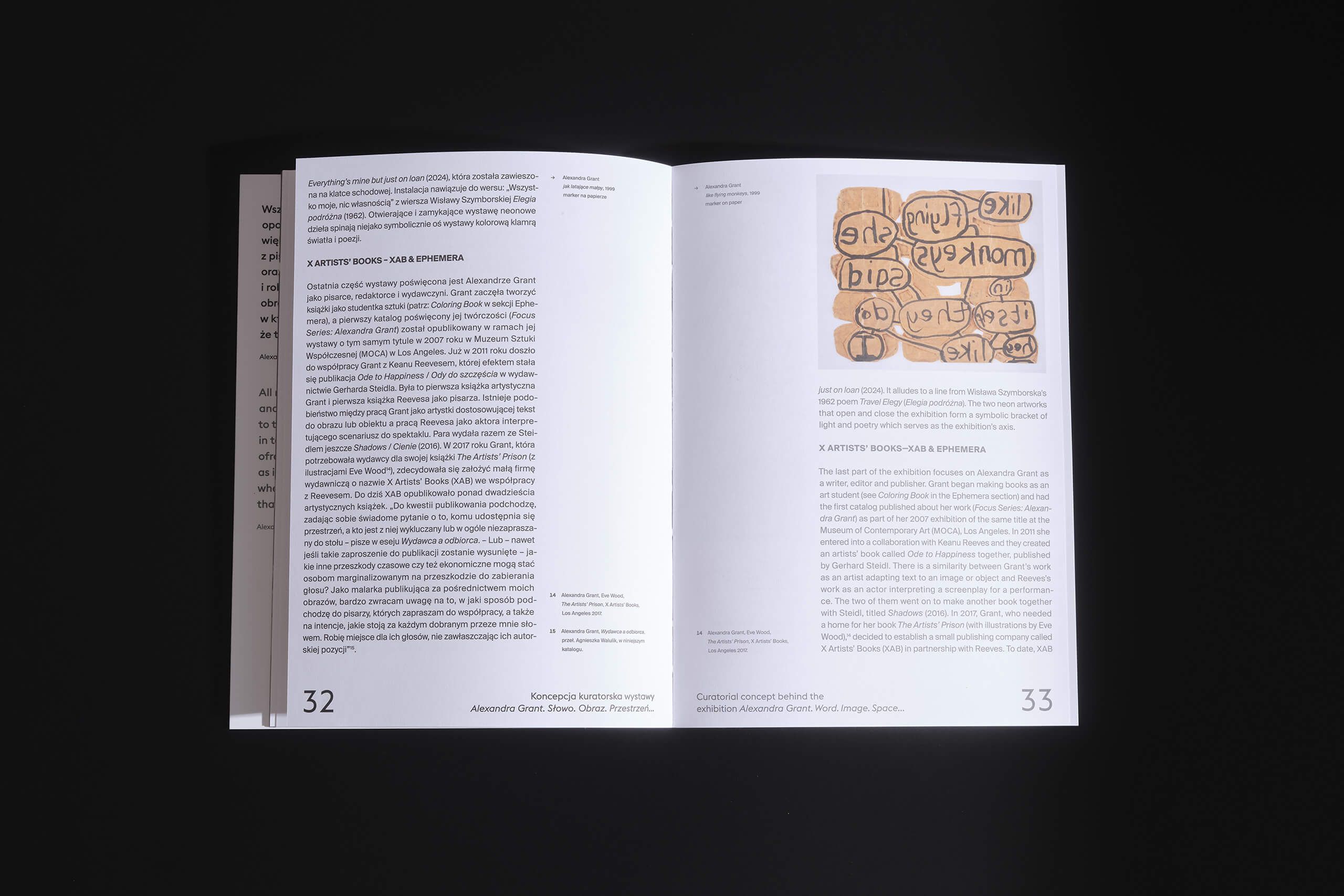
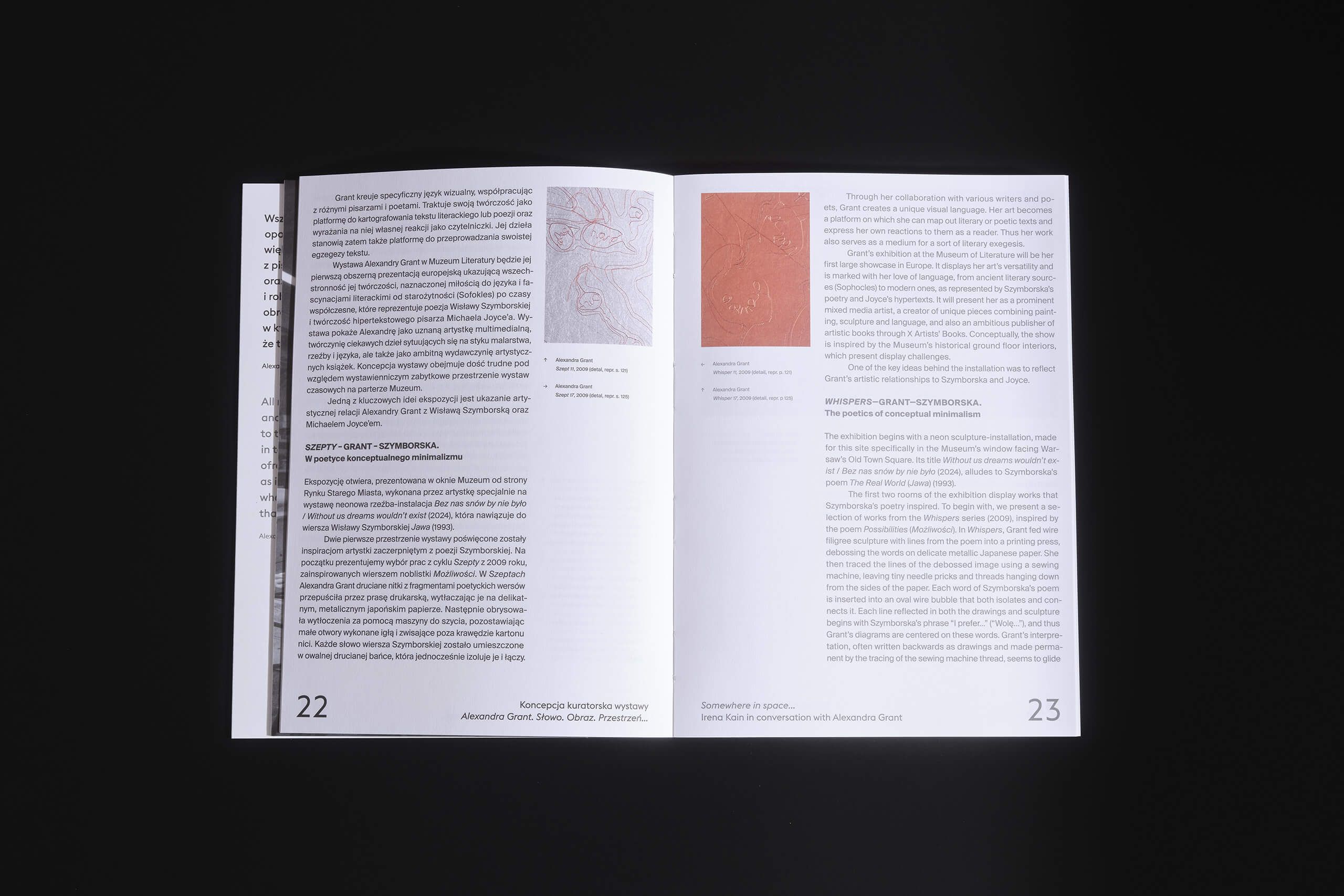
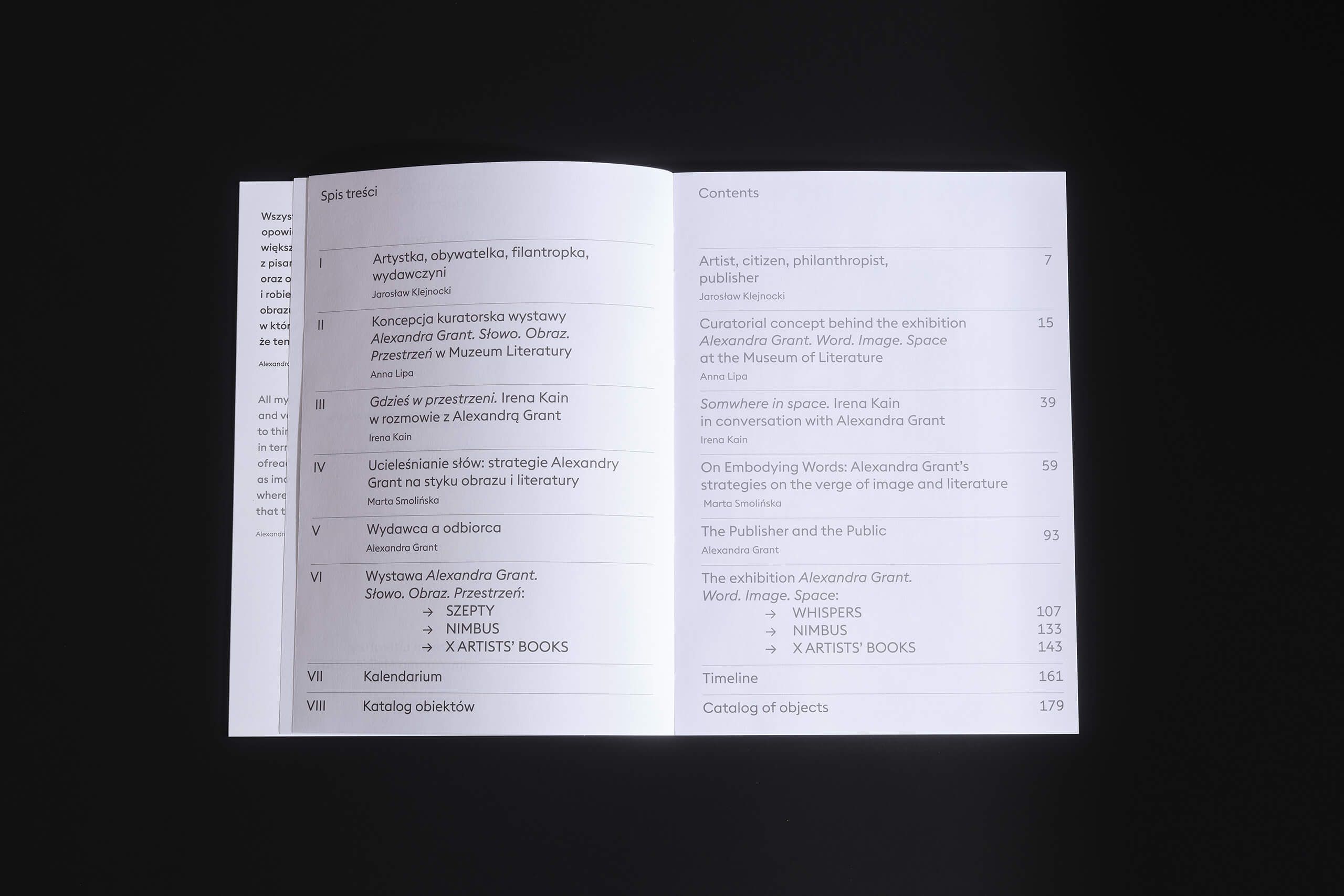
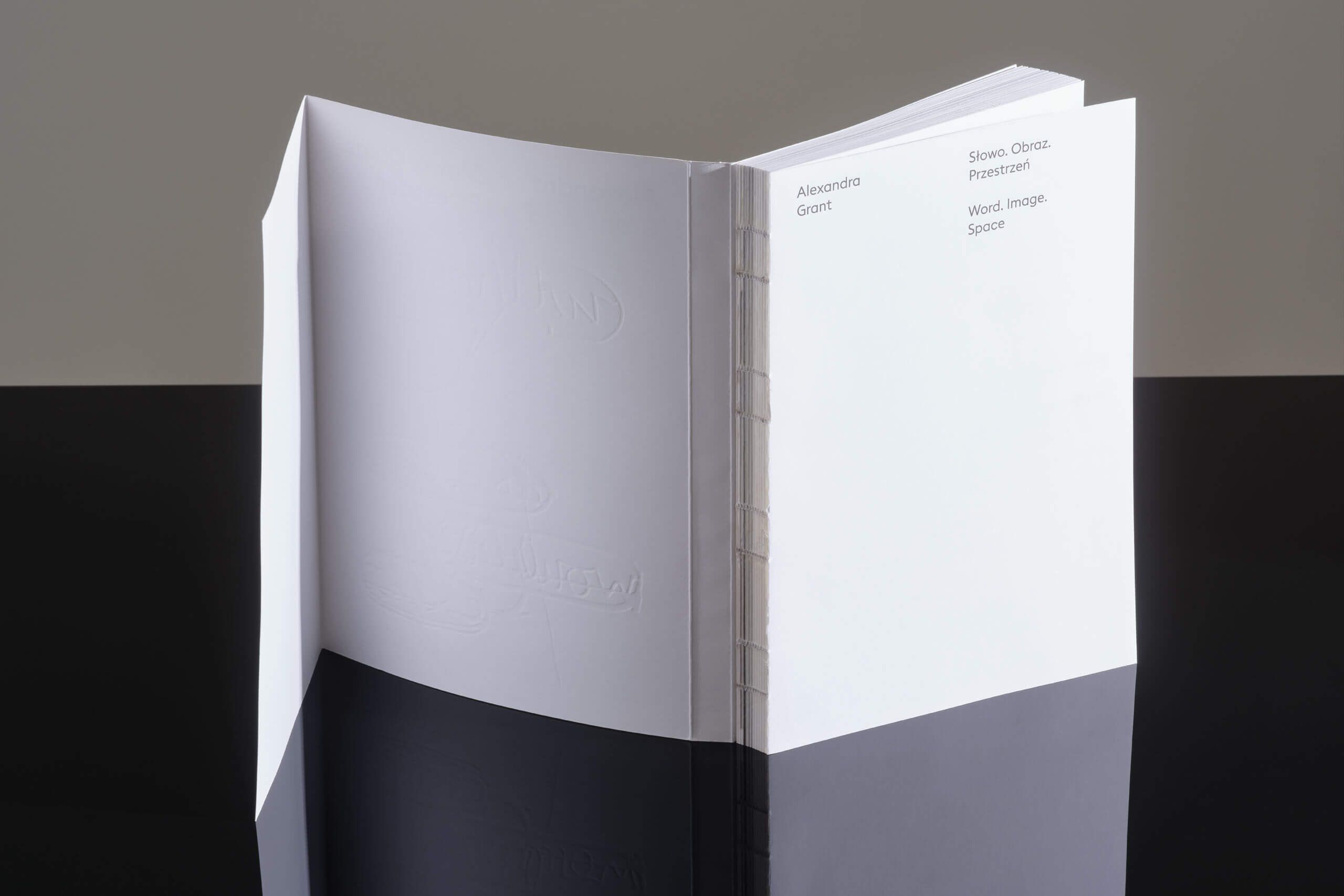
For Alexandra Grant’s exhibition Word. Image. Space. at the Museum of Literature, Syfon Studio developed the exhibition’s visual identity and promotional materials, as well as its architecture and publications. We created the promotional concept, designed the poster and digital assets, and worked closely with the artist to develop the exhibition layout and display solutions. We also designed two bespoke display pieces for publications and small-scale objects, and oversaw the design, typesetting and production of the accompanying publications.
Museum of Literature in Warsaw
2025
Filip Tofil
Urszula Tofil
Łukasz Izert
dr Anna Lipa (curator)
Irena Kain (curator)
Laura Darbutaité (coordinator)
dr Anna Lebensztejn (coordinator)
Exhibition:
Maciej Bociański
Piotr Jamski
Book:
Tomek Albin
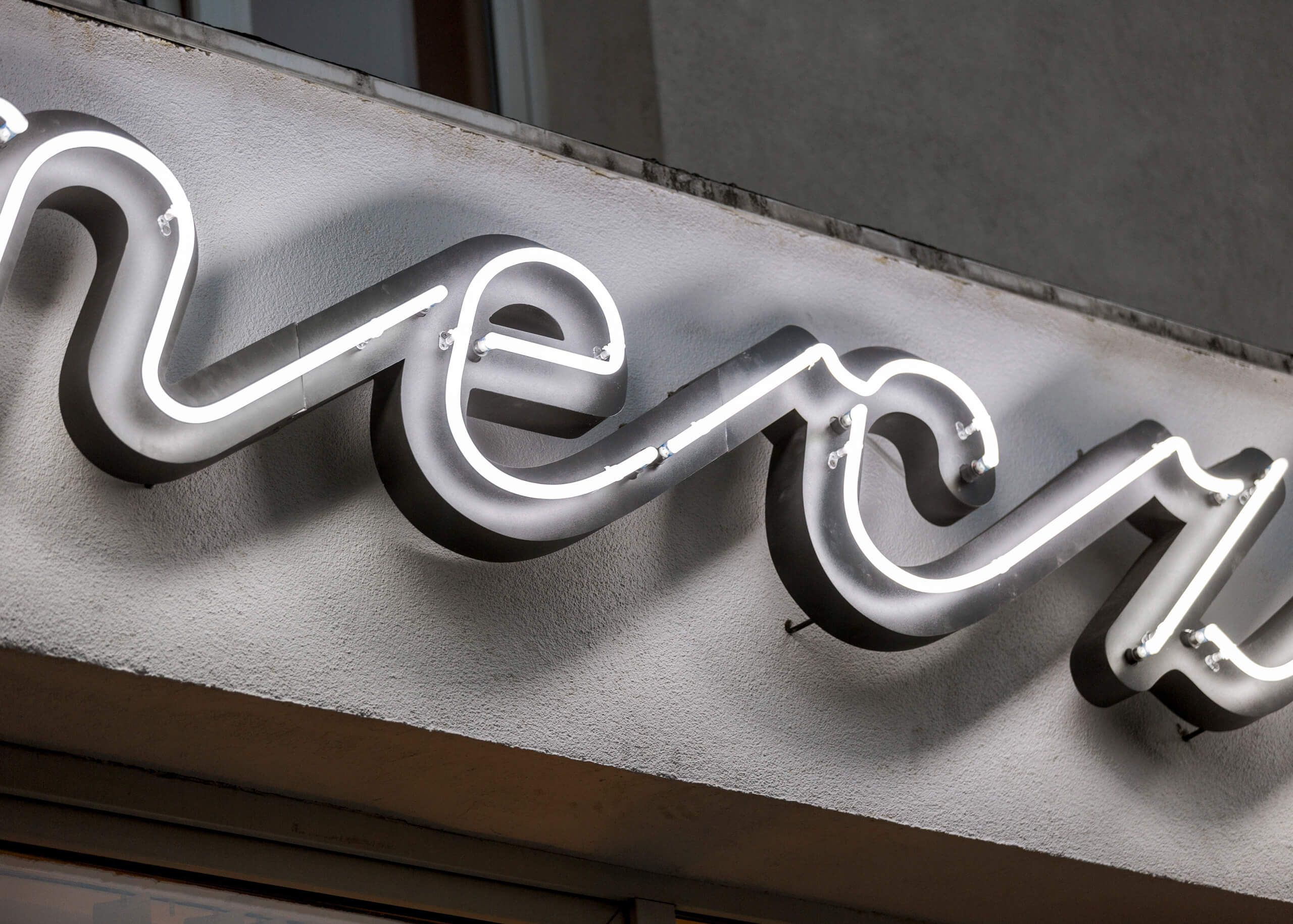
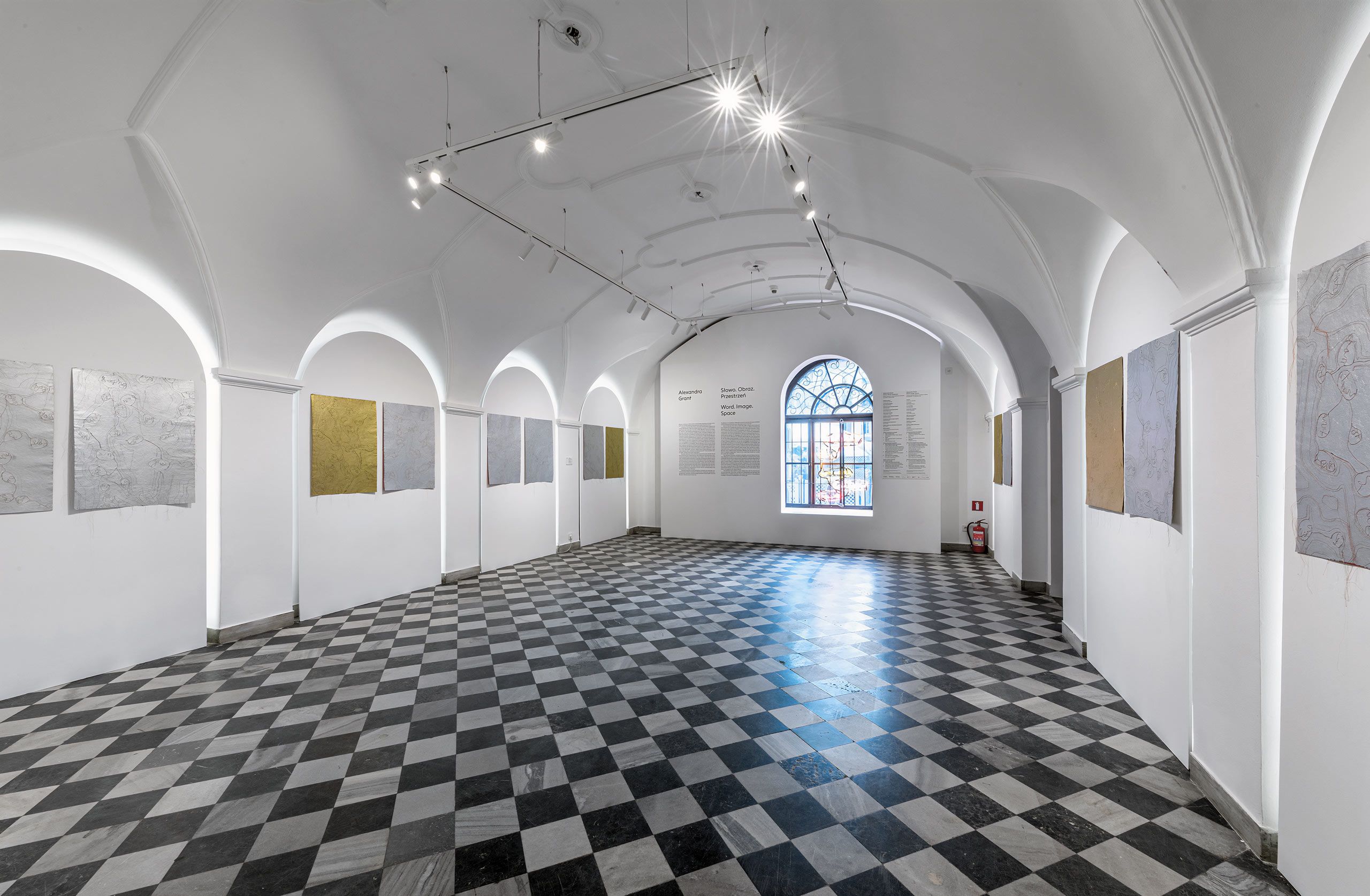
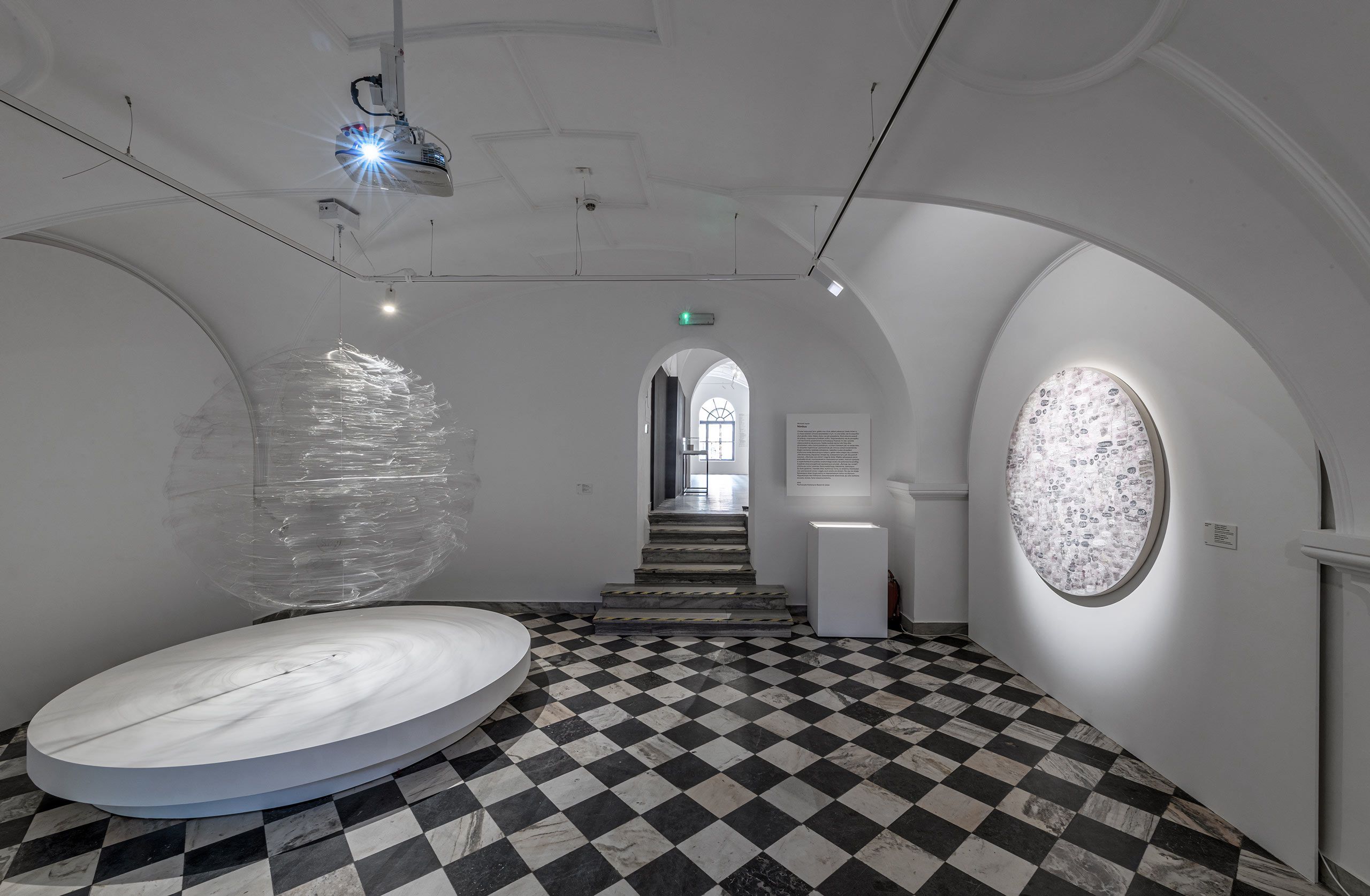
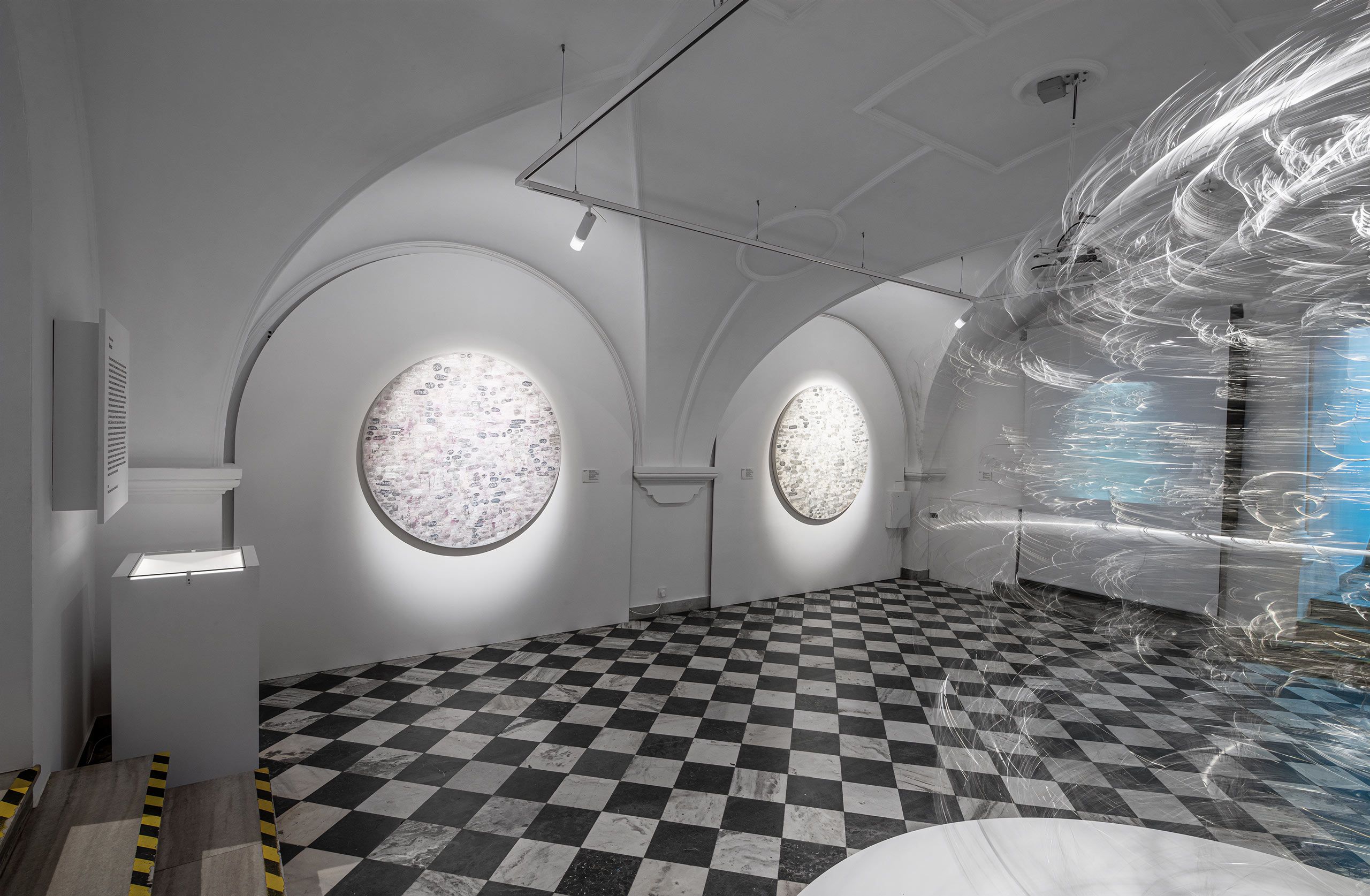
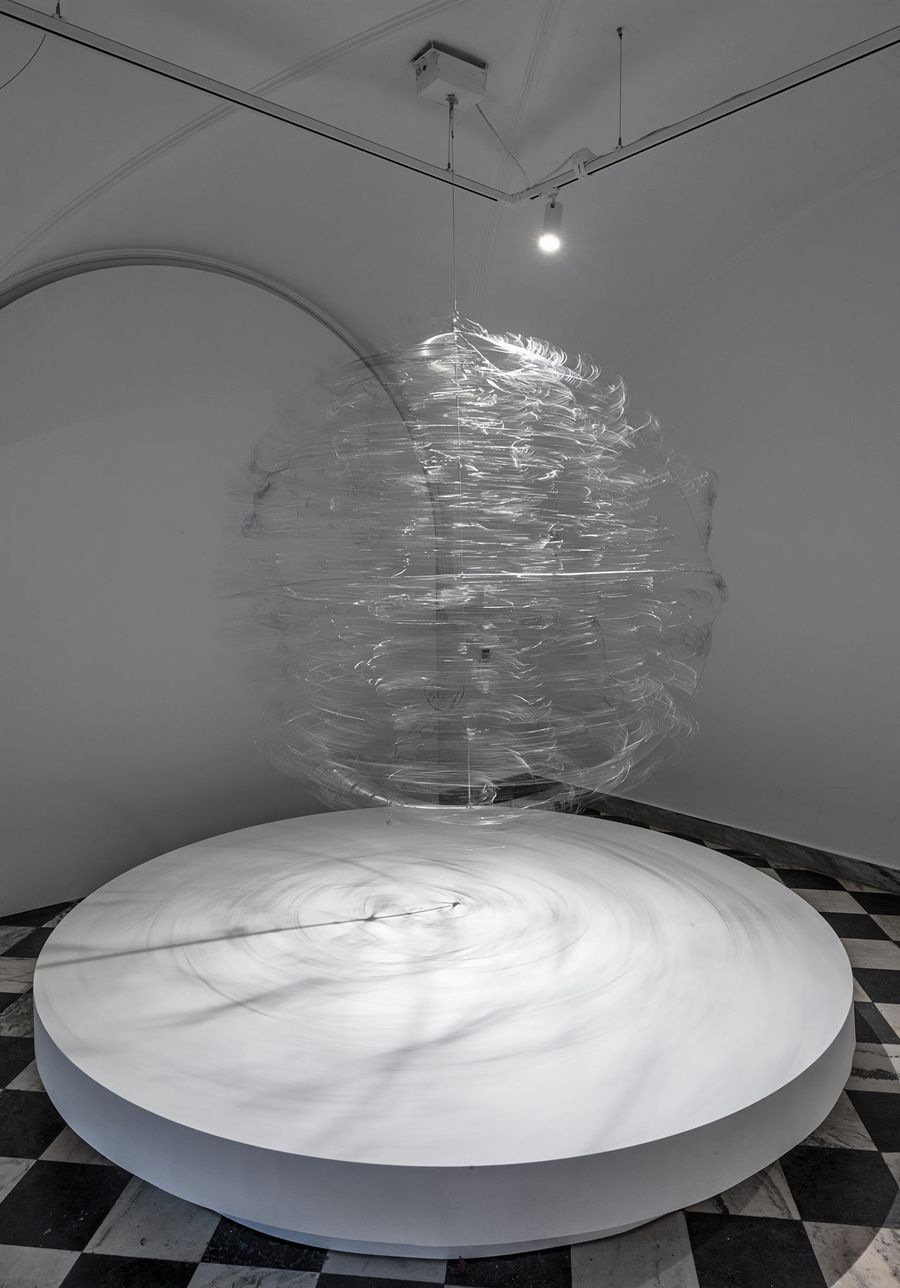
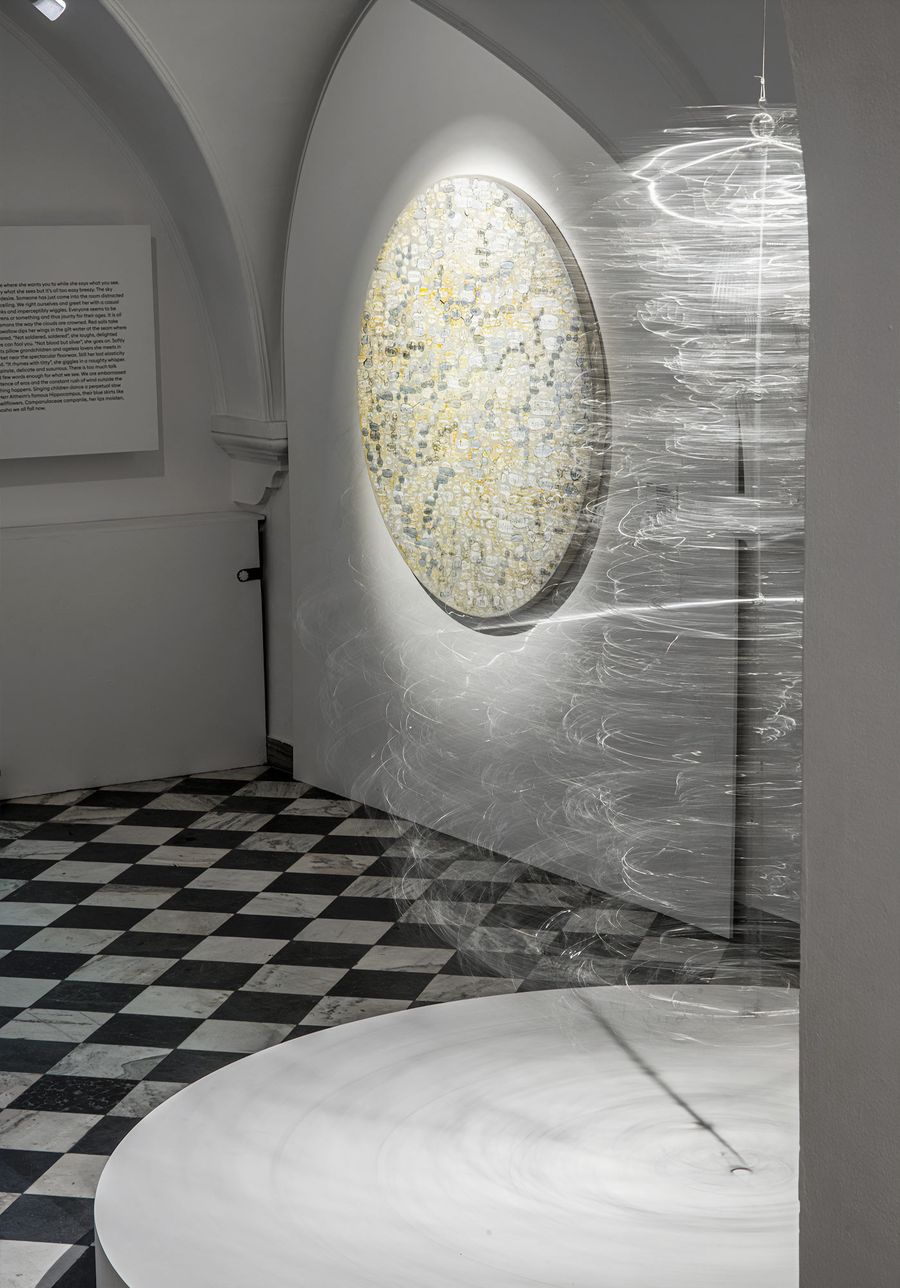
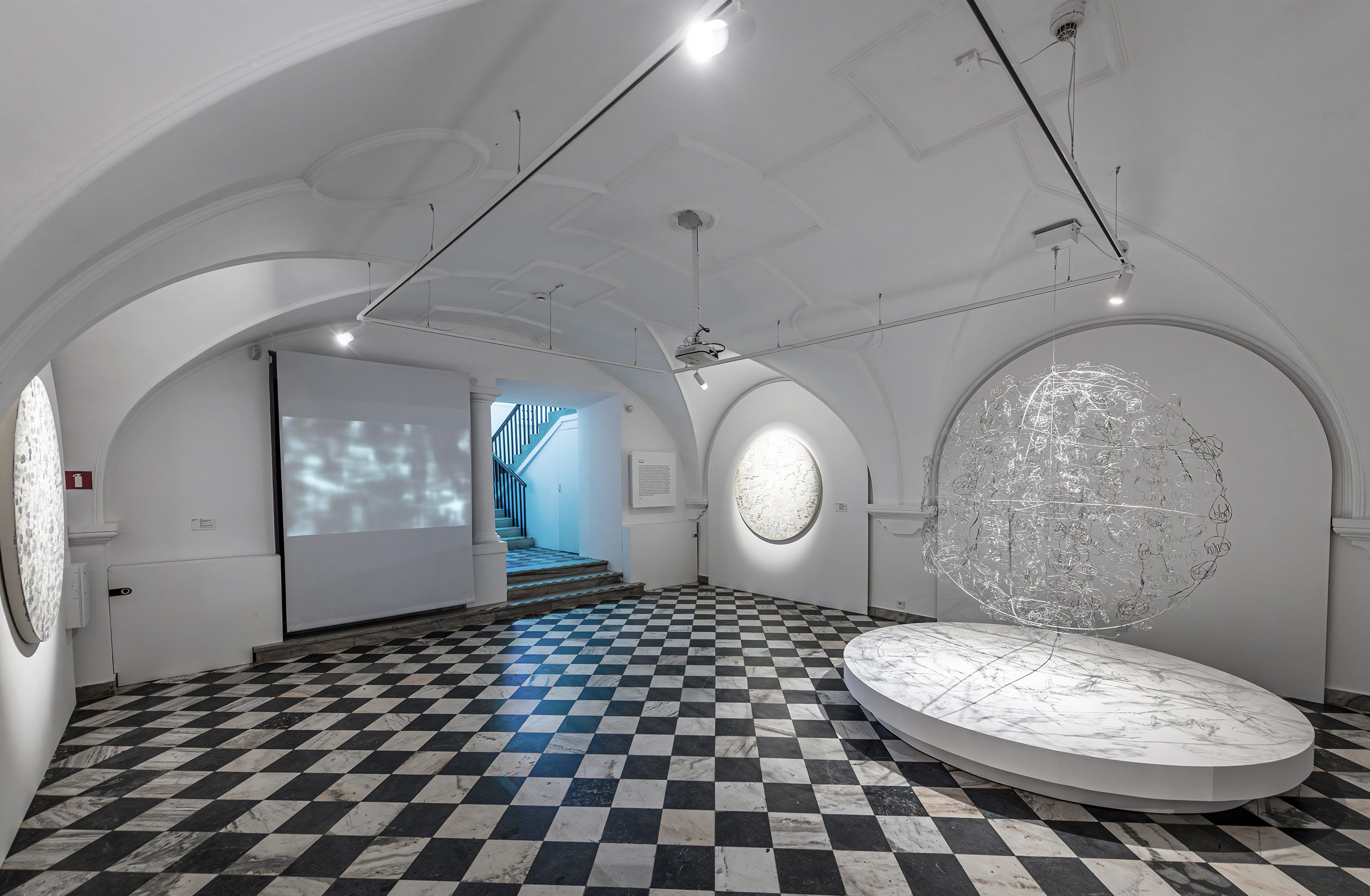
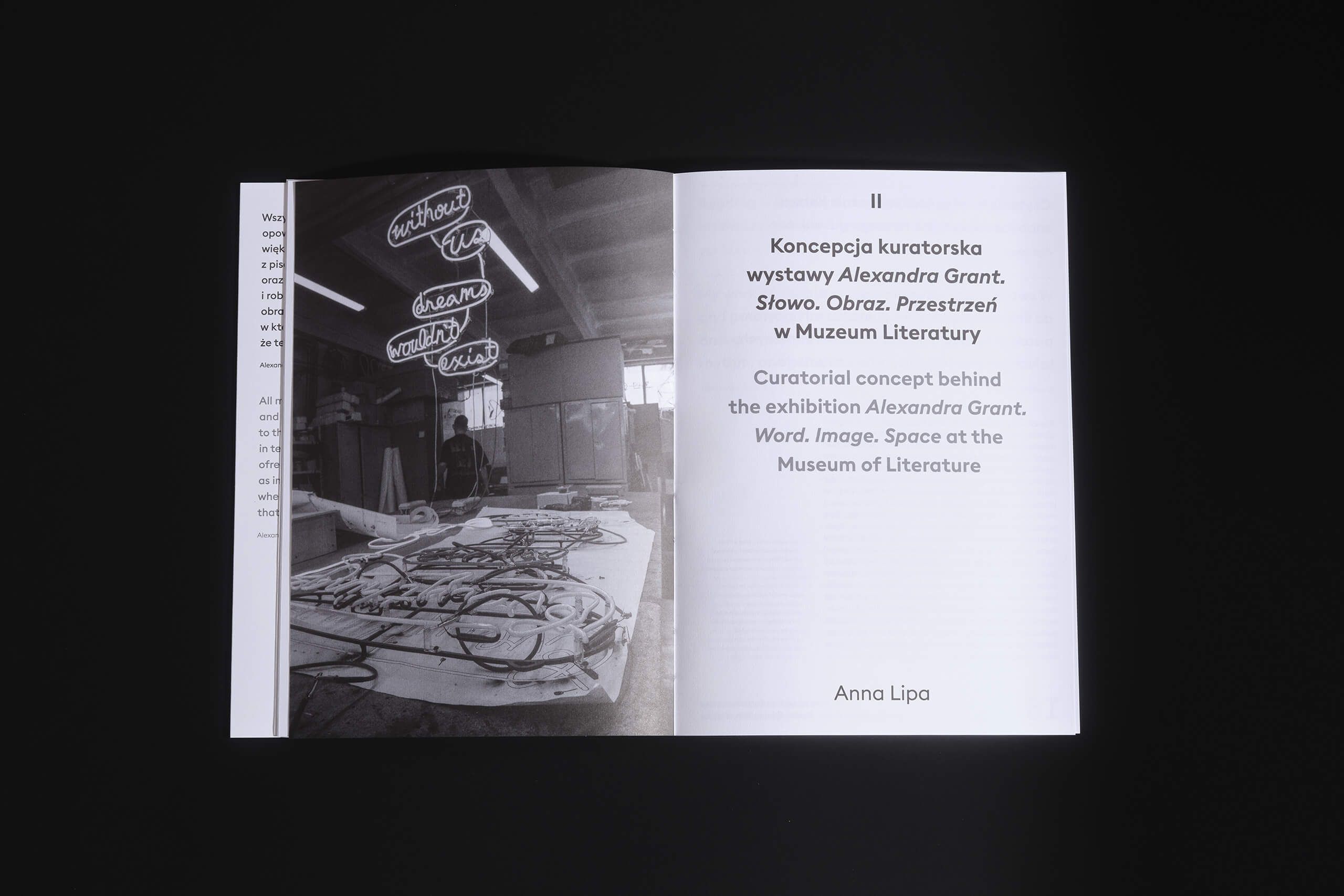
The starting point was Alexandra Grant’s artistic practice, which translates literature and language into image, object and space. The exhibition brought together painting, graphics, photography, installation, sculpture, neon and publishing, so our aim was to create a display system that would allow each work to retain its individual character rather than impose a single hierarchy on the exhibition. We developed the spatial concept in close collaboration with the artist, looking for a balance between the character of the historic interiors of the Museum of Literature and the autonomy of each work. Particular attention was given to the three-dimensional kinetic pieces: their presentation had to account for scale, light, the possibility of viewing the objects from different angles, and the relationship between form and shadow. Alongside the exhibition architecture, we designed the graphic communication — from the poster and promotional materials to the catalogue and accompanying publications.
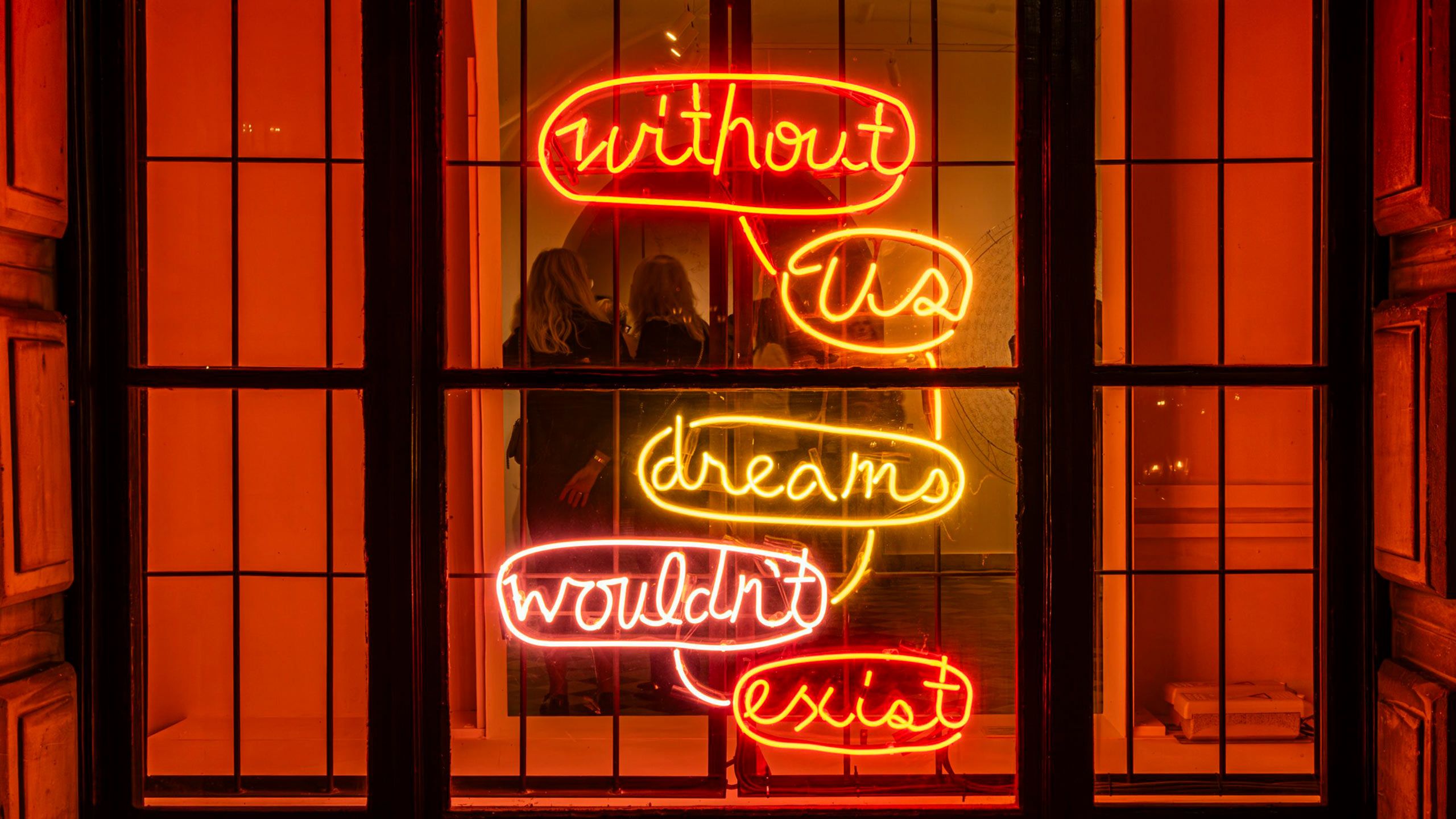
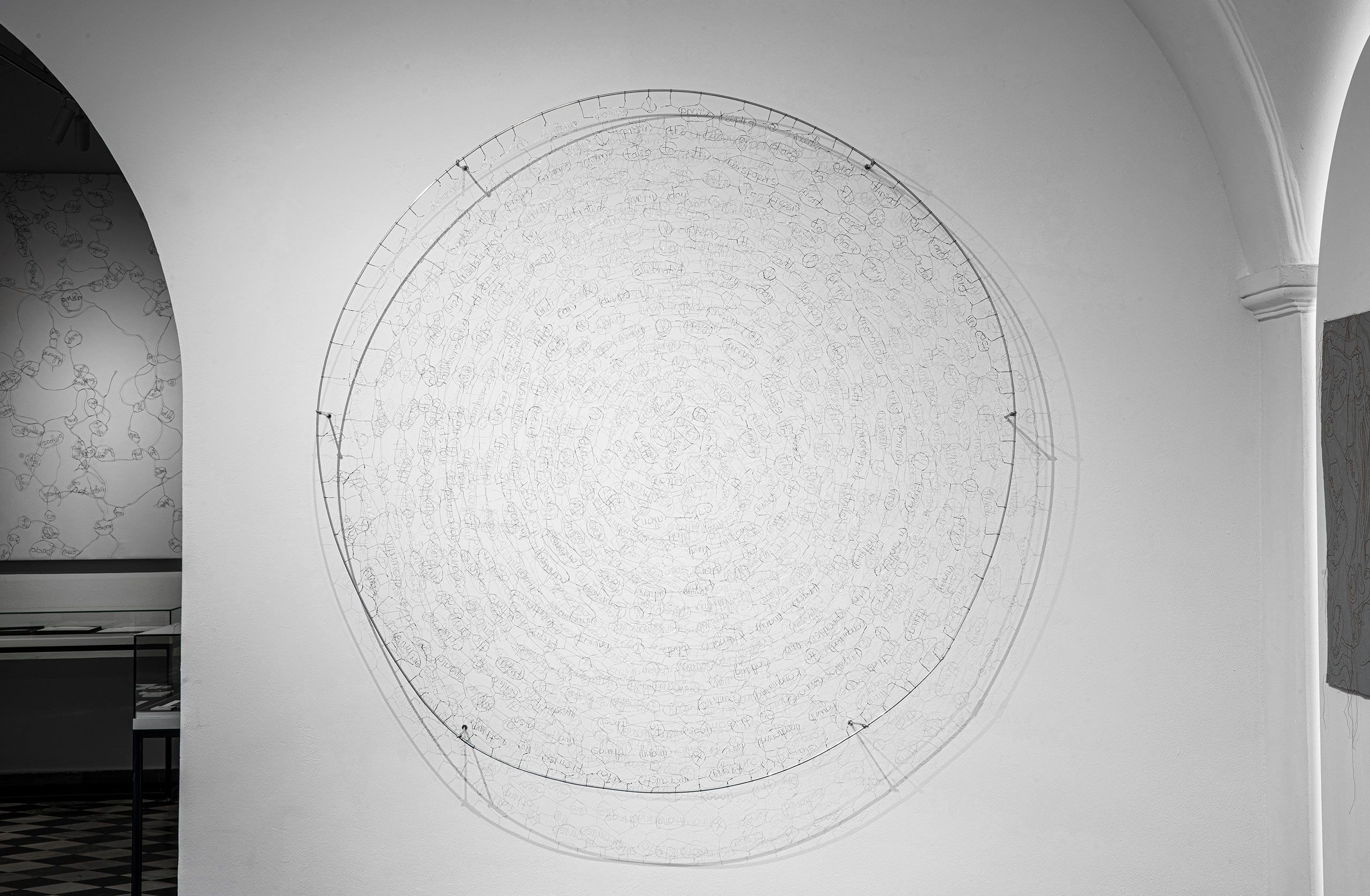
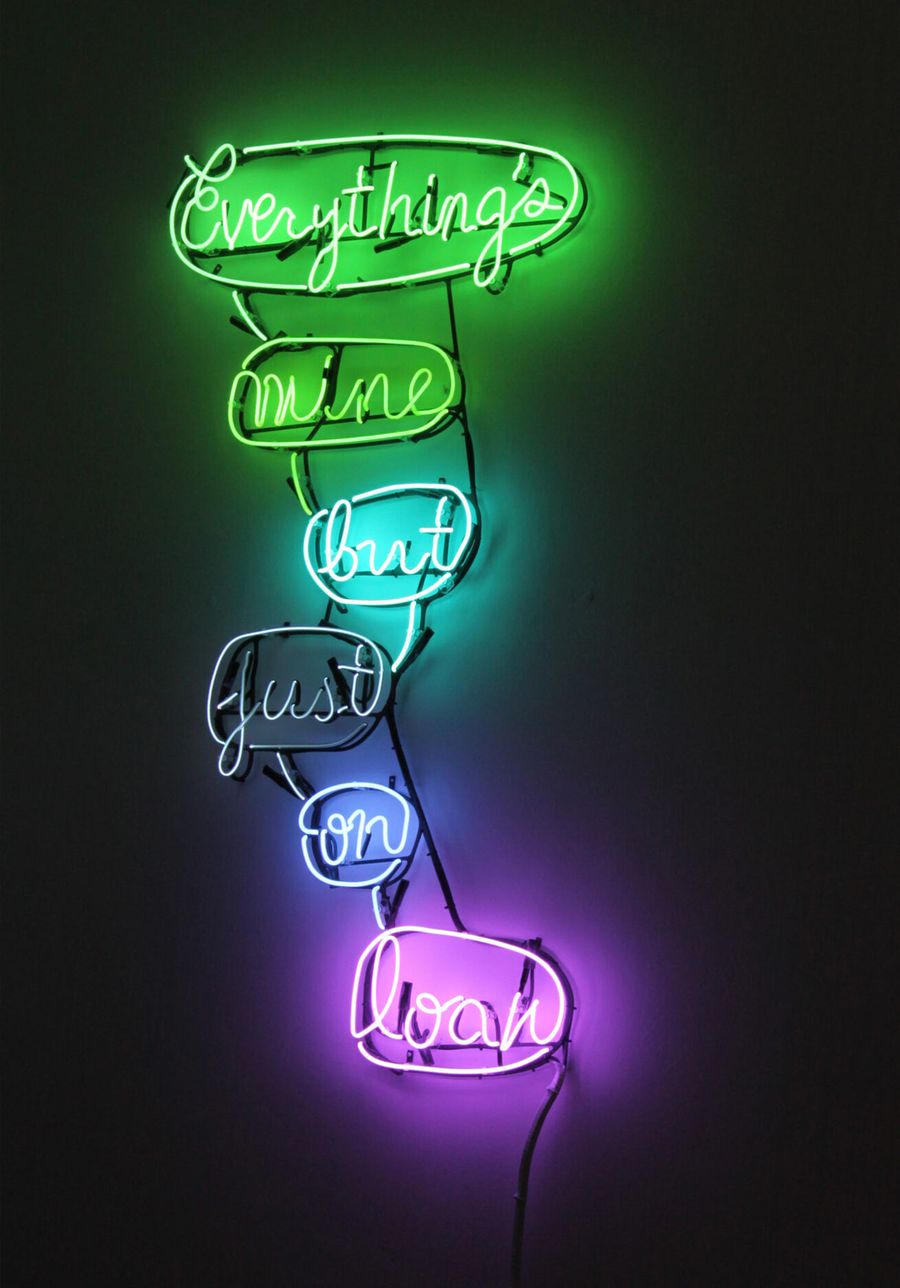
How do you exhibit an object that has no clearly defined boundaries? One of the main challenges was developing a way to present Alexandra Grant’s large-scale wire sculptures. Their form is created not only by the material itself, but also by the empty space between its elements, light and the shadows cast by the objects. In this case, conventional display methods — walls, frames or vitrines — were no longer sufficient. Together with the artist, we looked for solutions that would preserve the spatial and almost ephemeral quality of the works while giving them an appropriate scale and presence within the historic interiors of the Museum of Literature. A similar approach was required for two neon works created especially for the exhibition, where light became both part of the artwork and an active element of the space. Rather than creating a neutral background for the works, we treated the exhibition design as an integral part of their perception — allowing architecture, light, shadow and objects to remain in constant dialogue.
see more